
NAPA News - Week 3, Term 2, 2026

FROM THE DIRECTOR
Week 3 has come to an end and we survived the wet weather!
I wanted to say a big thank you to all of our NAPA families for all the support of your cherubs throughout the year. If not for our amazing parents and families our cherubs would not be able to achieve such amazing things. So THANK YOU for driving your kids to class, keeping on top of correspondence, ensuring your child has all their shoes and uniforms, for helping them learn lines and for staying on top of their busy schedules. We appreciate you!
QUICK REMINDERS
please read!
Lost property - Please be sure to check this regularly throughout the year.
Jewellery - a quick reminder that excessive jewellery is not to be worn to any NAPA classes and that any earrings worn in dance class should be small studs or sleepers only. No other jewellery should be worn in dance classes, as this creates a safety hazard for dancers and their peers. PLEASE LEAVE AT HOME to avoid losing anything precious.
Footwear - please note that there will be strict guidelines around footwear at NAPA this year. This is for the safety of our young dancers - Jazz, Combo, Technique and Performance Team students must wear jazz shoes - Hip Hop, Tread the Boards and Broadway students must wear sneakers or jazz shoes - Ballet students must wear ballet shoes and Tap students must wear tap shoes. The only class where bare feet will be allowed is lyrical/contemporary, and we recommend students wear black dance or NAPA socks to these classes. Students will not be able to participate in class if they do not have the appropriate footwear.
NEWS HIGHLIGHTS
impact youth summit
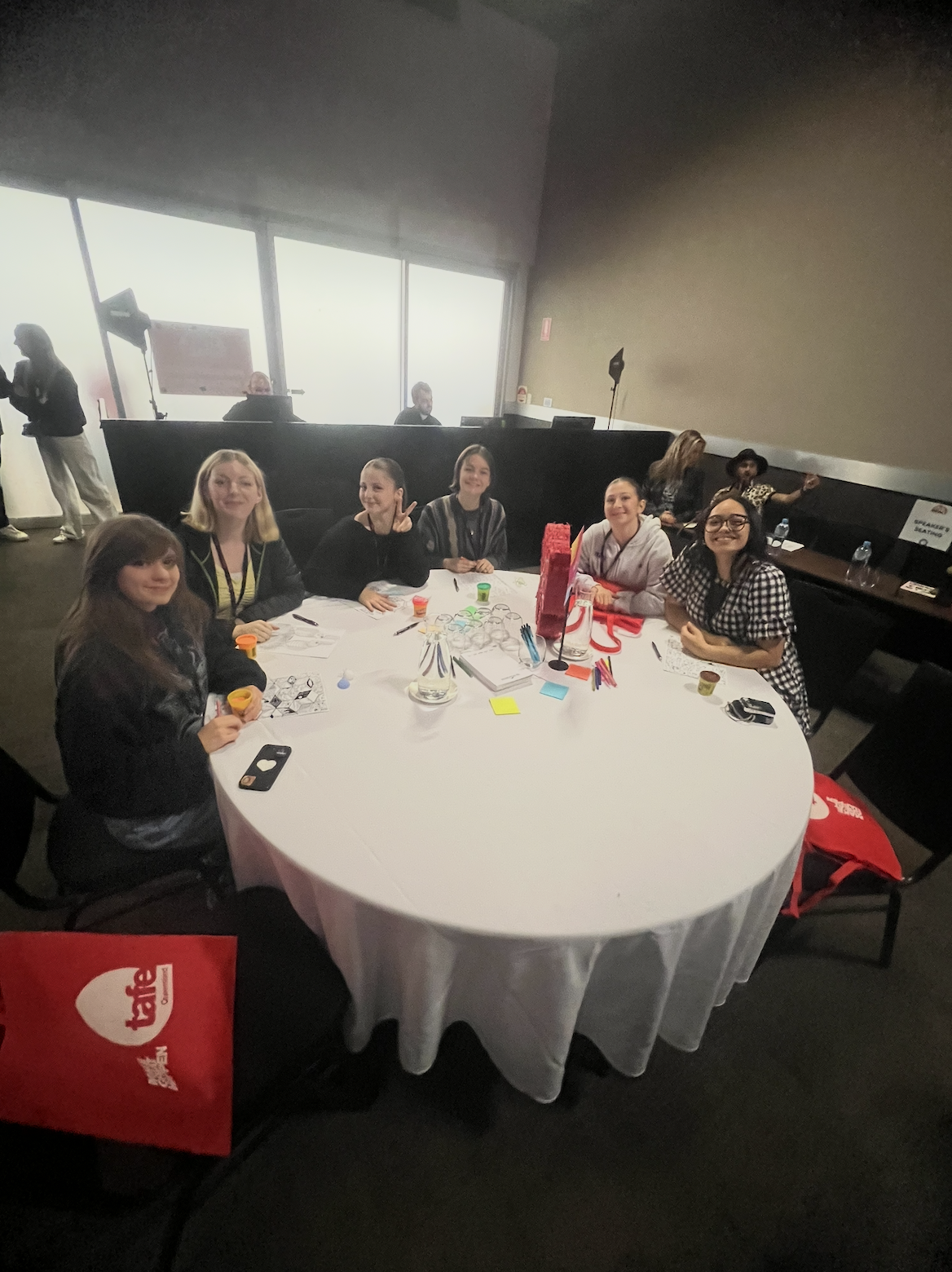
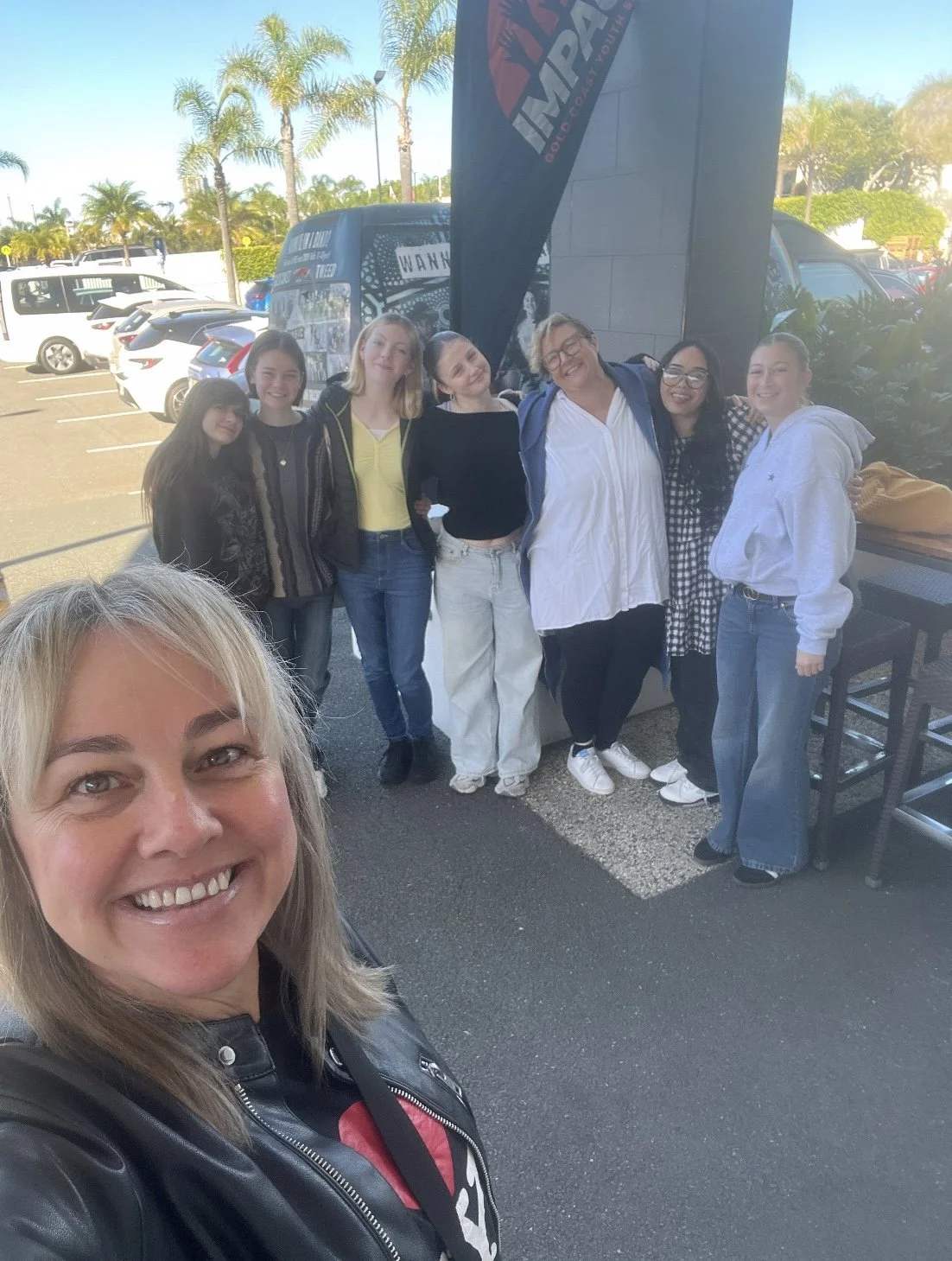
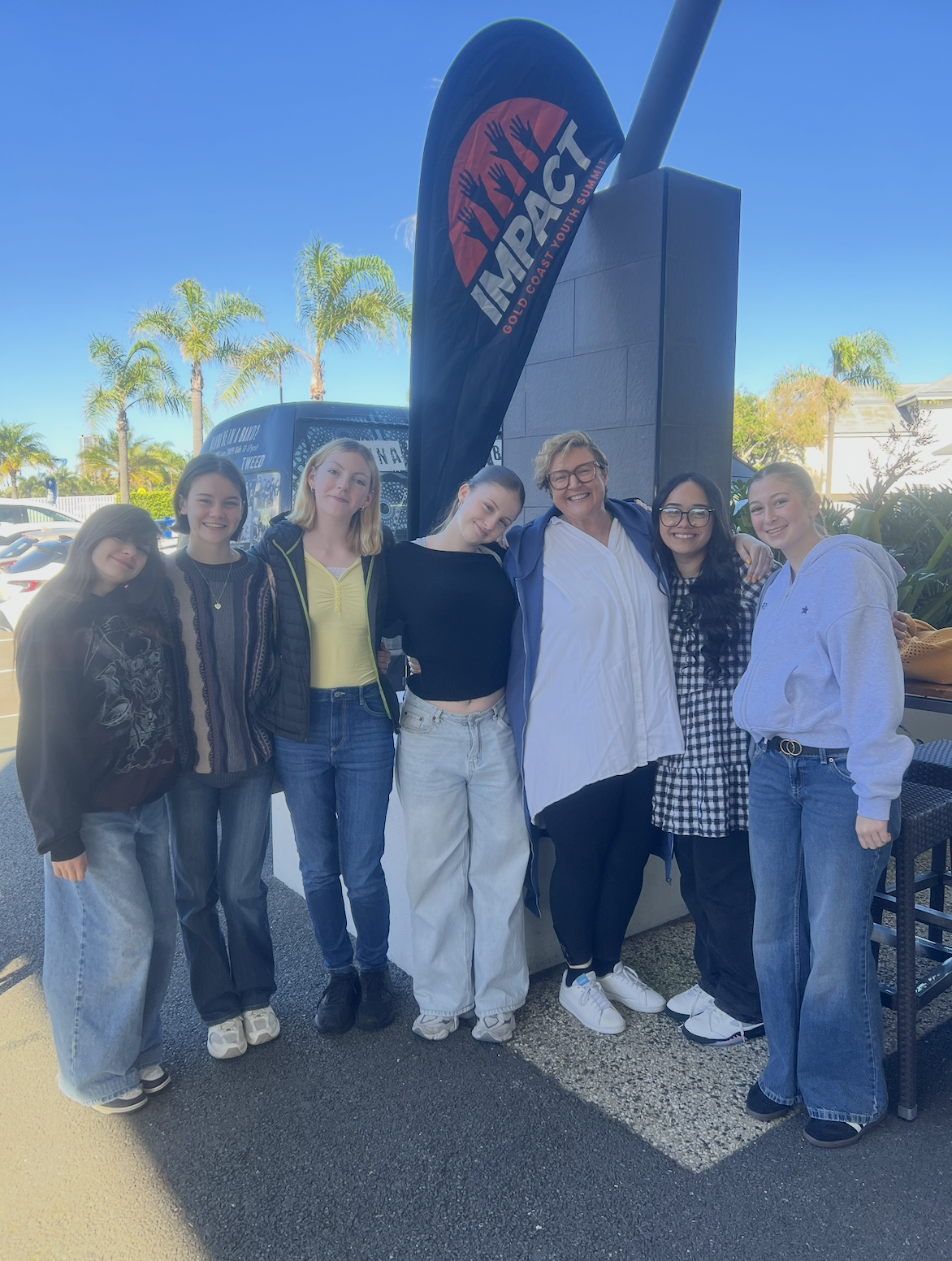
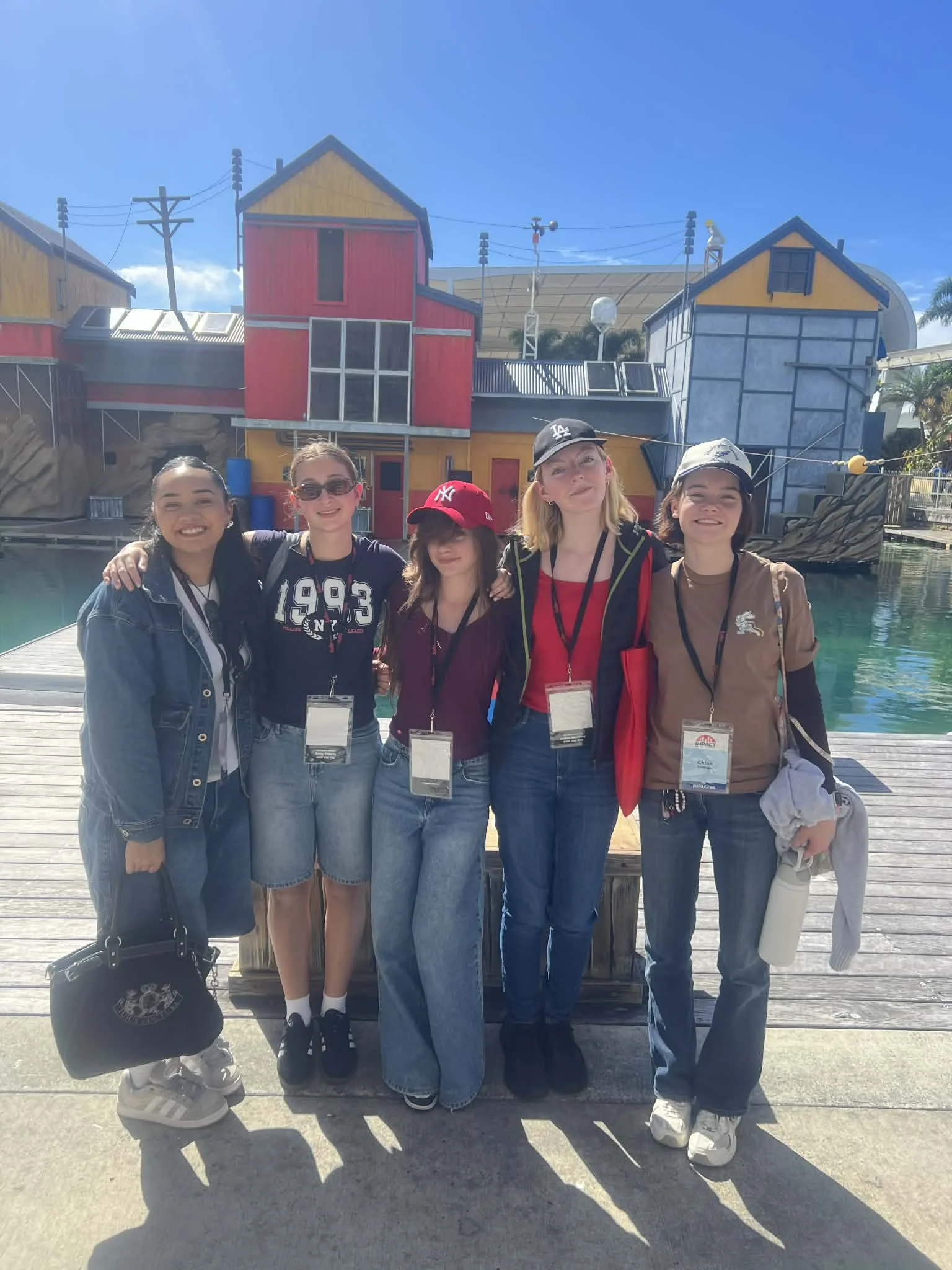
This weekend some of our NAPA College student leaders attended the IMPACT Youth Summit at SeaWorld, representing both NAPA College and Gold Coast Eisteddfod. We are so proud of how they embraced the spirit of the program, meeting new people and investing in the speakers and workshops. We experienced some amazing speakers and I know the messages they imparted on our young people will filter through our studio. Thank you for representing the studio so beautifully, cherubs!

CONGRATULATIONS ELLA!
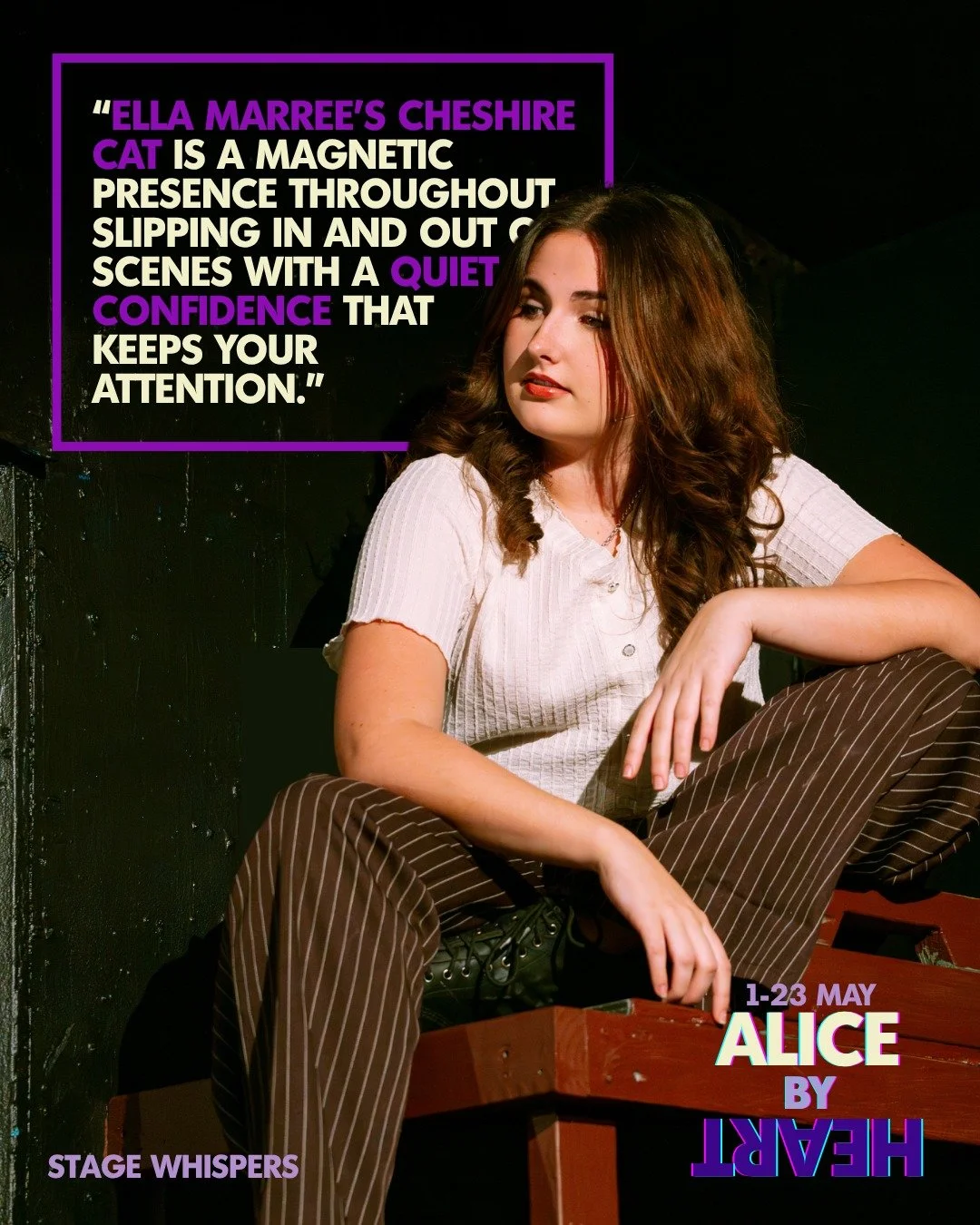
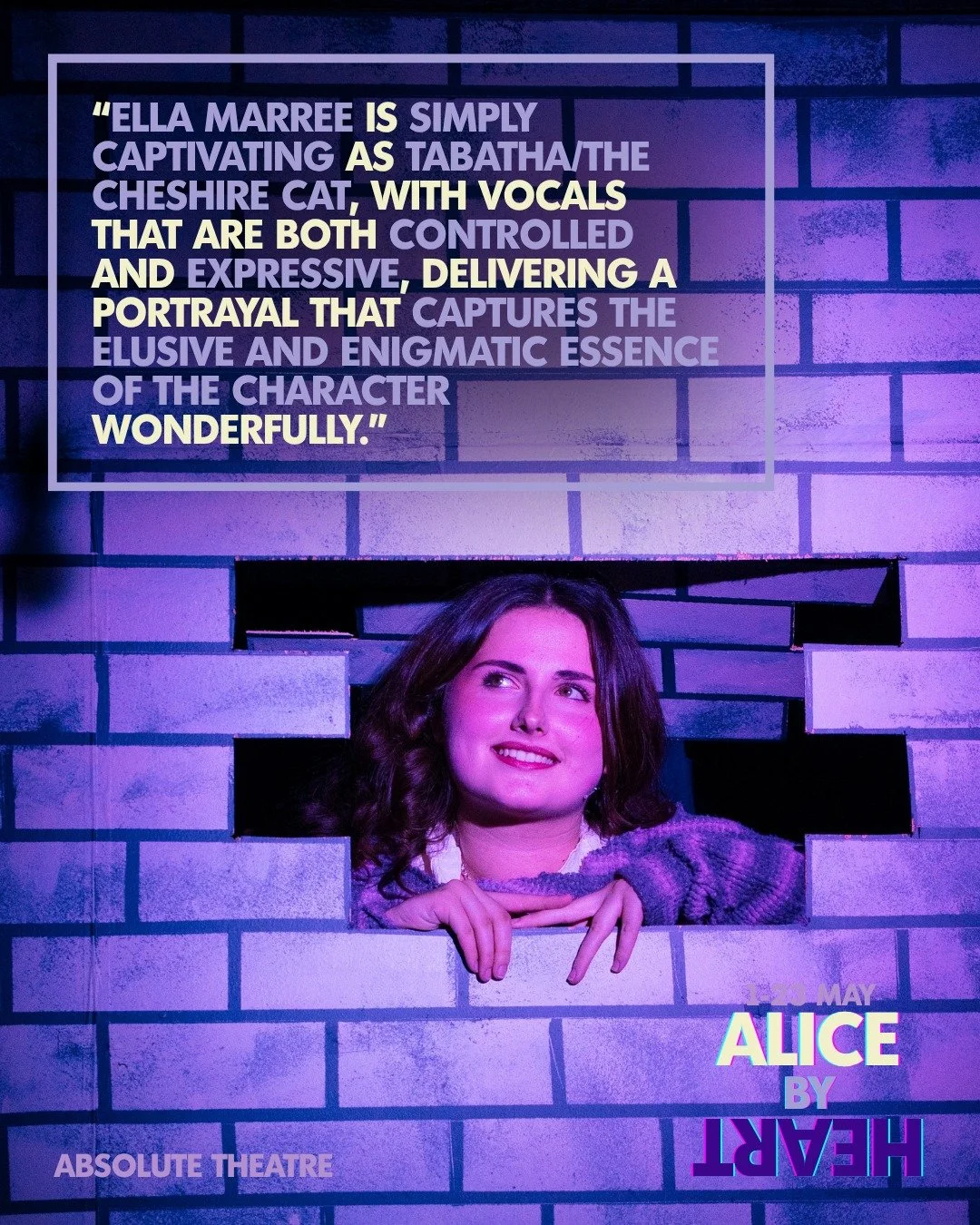
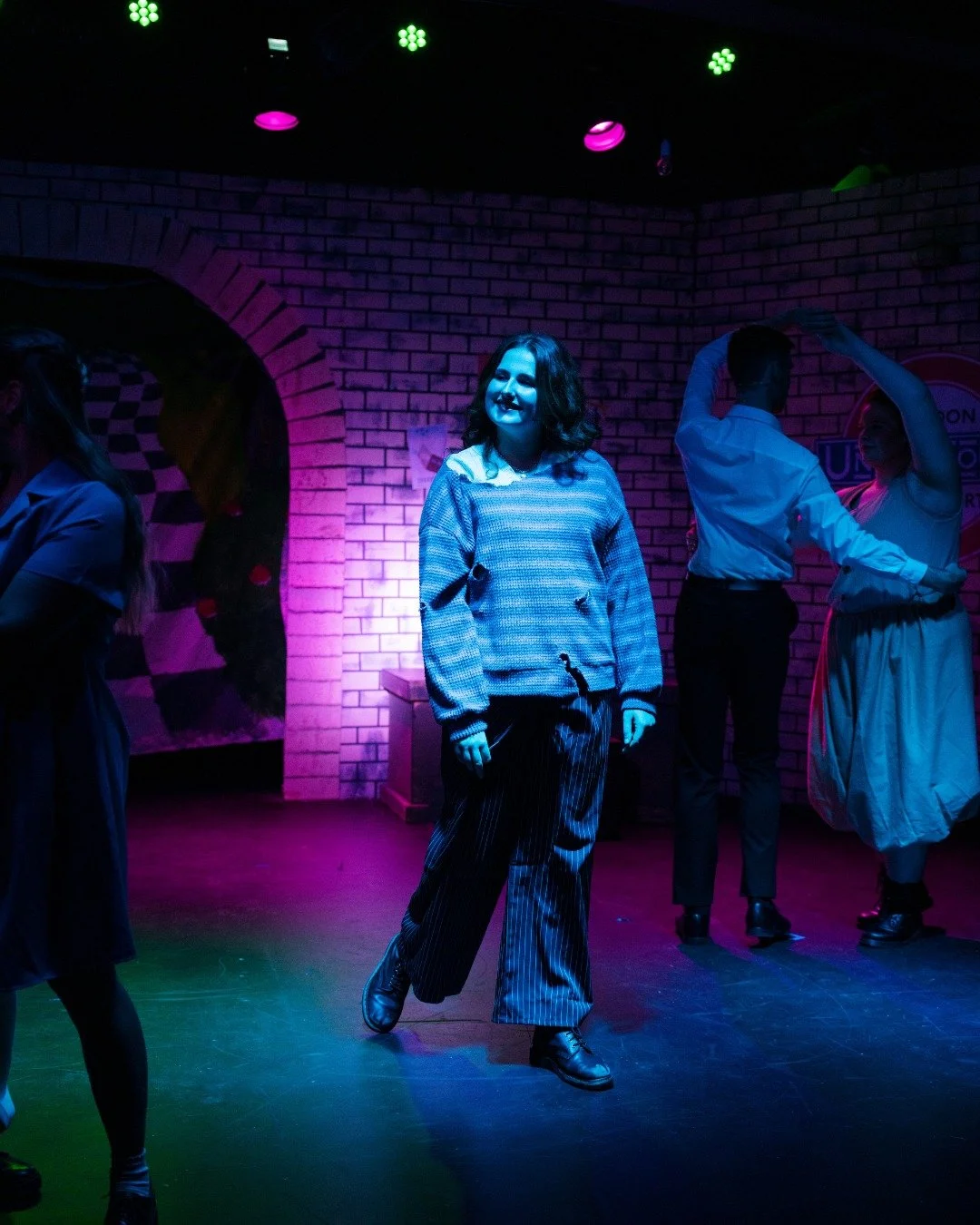
Last night Miss Amy and I travelled up to Phoenix Theatre to see our NAPA College graduate Ella in Alice By Heart. Ella played the role of ‘Tabitha’ who represents The Cheshire Cat. As you can see by the below reviews, Ella was an absolute standout in the production. Her vocals were sublime and her love of the show and its score was evident. We are so proud of her for continuing to embrace her musical theatre journey as she waits to begin her next stage of training in the UK later in the year. Well done, cherub!
If you’d like to see Ella, you can buy tickets below.

CONGRATULATIONS COLLEGE CHERUBS!
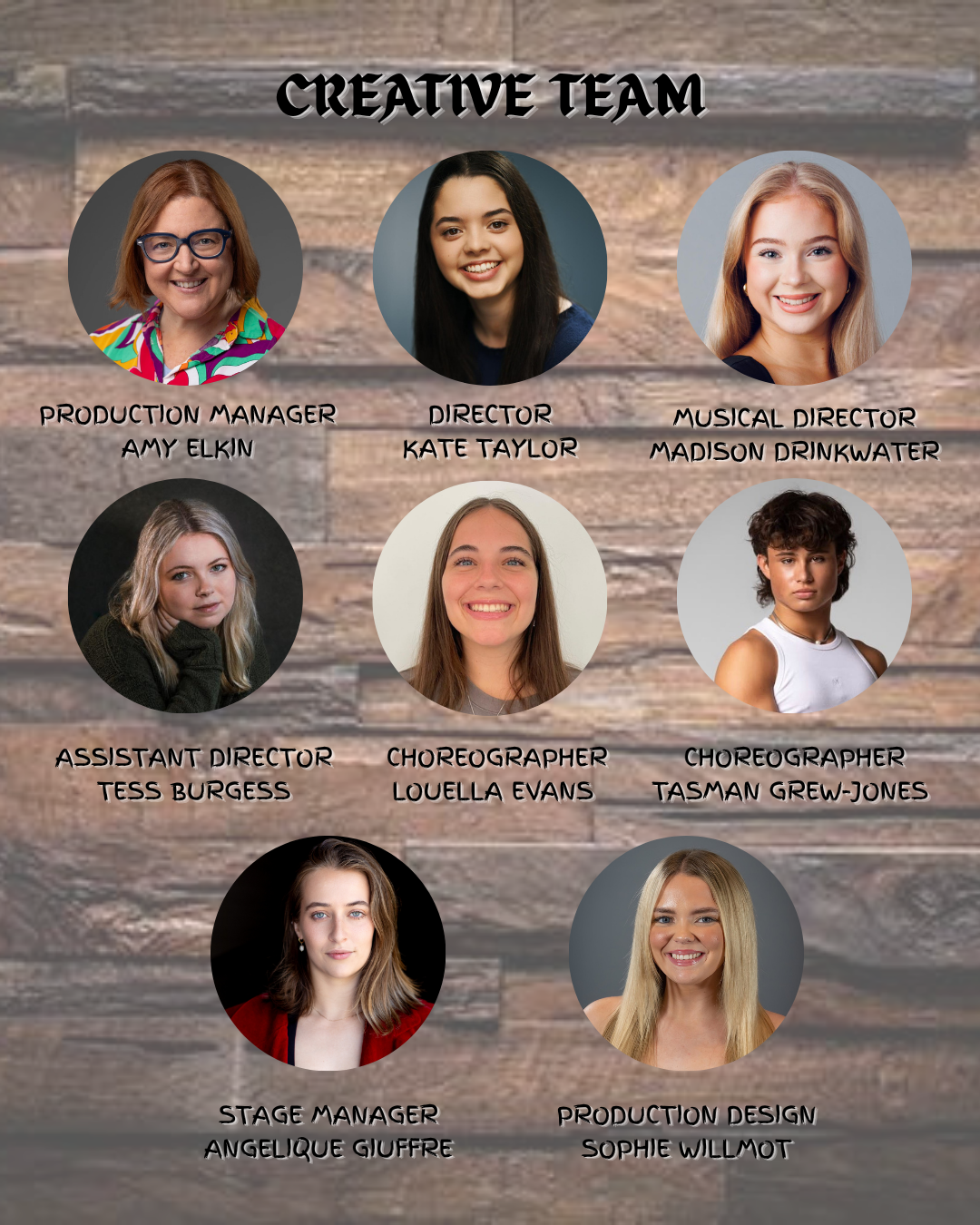
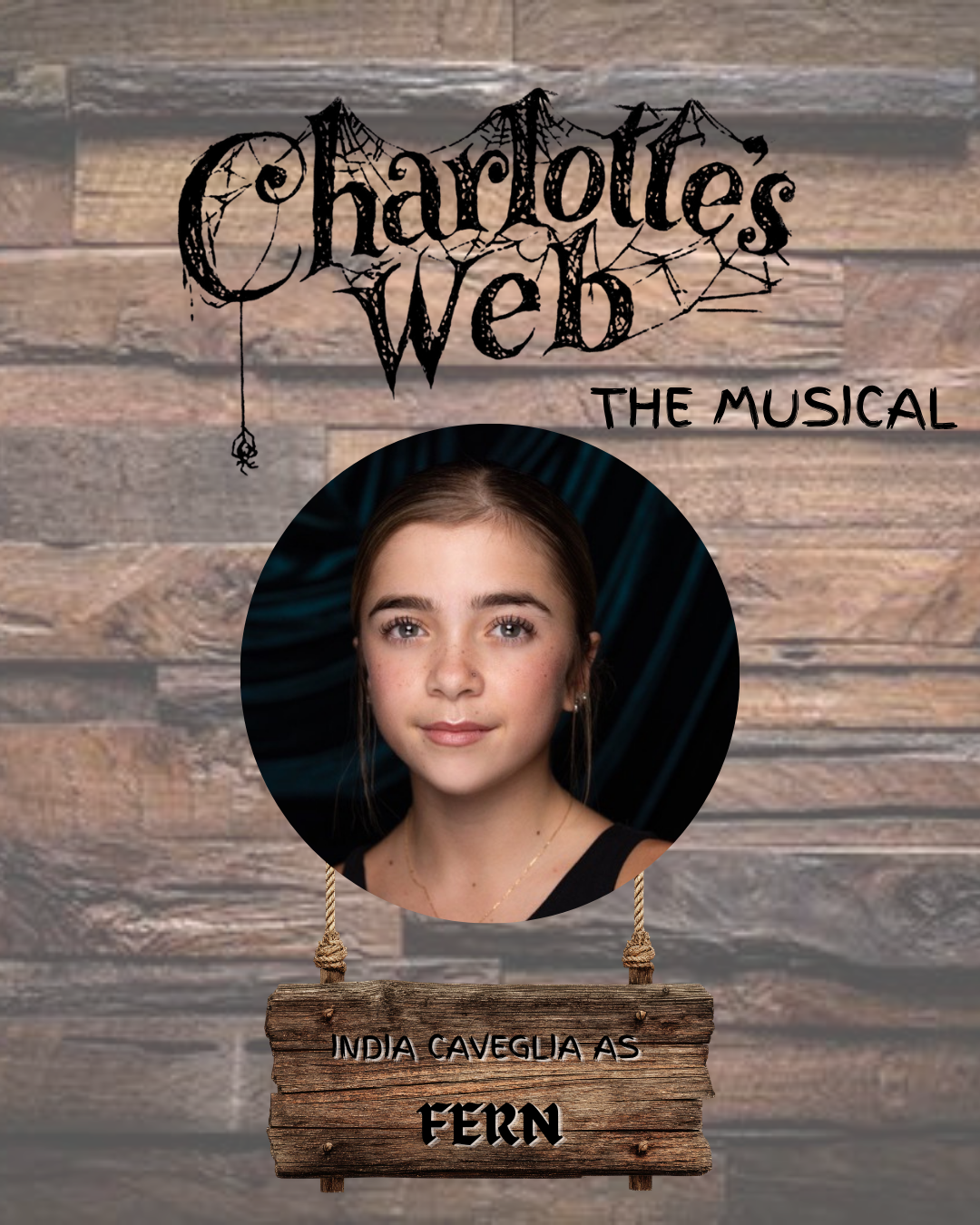
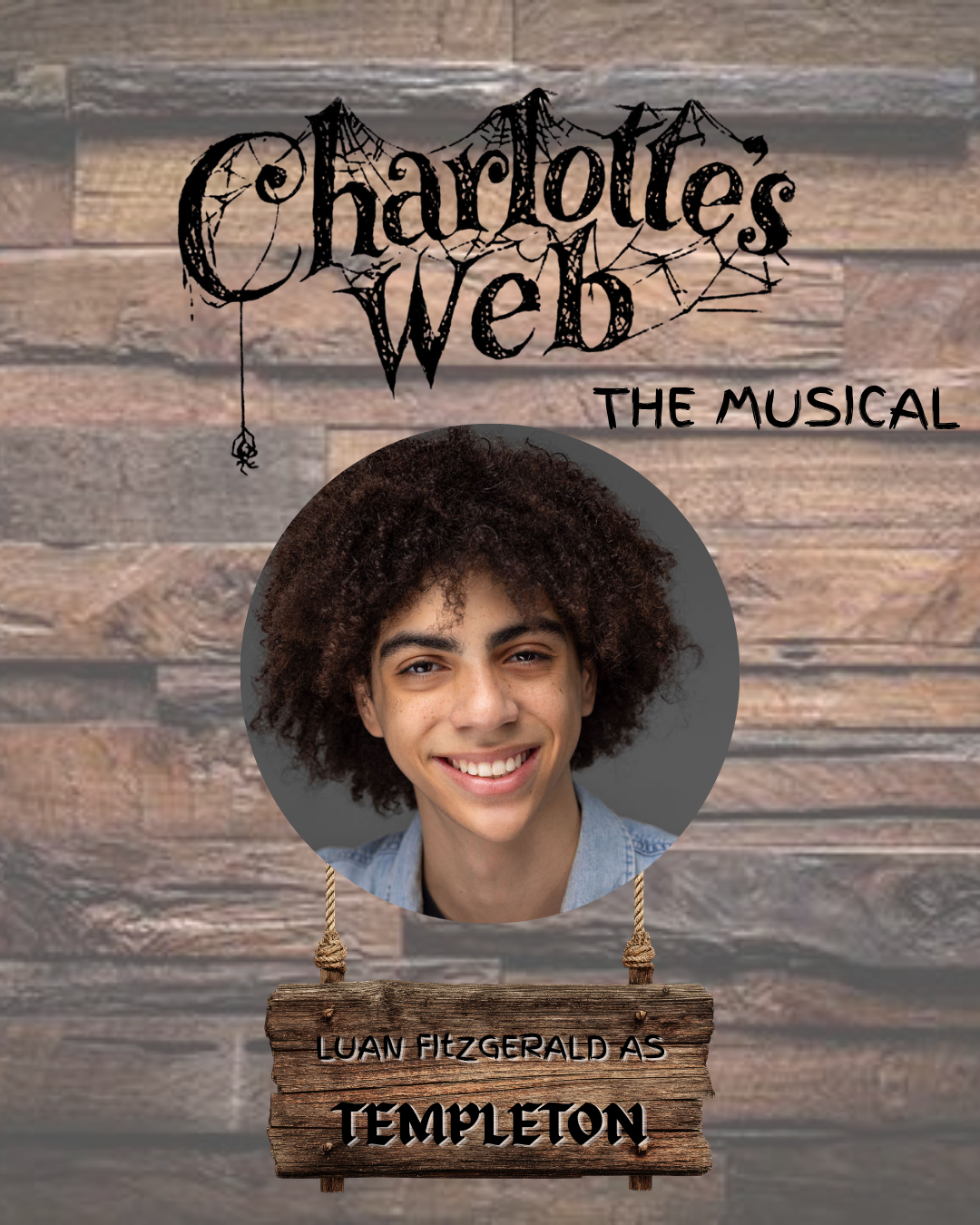
Our NAPA College Certificate IV Second Year and Diploma students have been busy auditioning for their upcoming production of Charlotte’s Web.
As part of their Certificate IV and Diploma training, our Diploma students will take on both production and performance responsibilities, while our Second Year Certificate IV students will step into the lead roles. This hands-on experience is such an important part of their development as emerging performers and creatives, allowing them to build both stagecraft and industry skills in a real production environment.
The production will form our September school holiday entertainment, and we are incredibly excited to see what these talented young artists bring to the NAPA stage. Congratulations to all students involved … we cannot wait to watch this production come to life!
















Wellbeing
Creating a positive mindset in the performing arts
Creating a positive mindset in the performing arts is just as important as learning technique, choreography or lines. The way a student thinks about themselves, their abilities and their challenges can completely shape their experience both on and off the stage.
In the arts, students are constantly putting themselves in vulnerable positions. They audition, perform, receive corrections, make mistakes publicly and step outside their comfort zones regularly. Because of this, developing a strong and healthy mindset becomes essential.
One of the most powerful things young performers can learn is this:
When someone says “you can’t do that”, often what they really mean is “I can’t do that.”
People speak from their own experiences, fears and limitations. Sometimes others project their own doubts onto those around them without even realising it. Successful performers learn to listen to feedback, but they also learn not to let negativity define what is possible for them.
Growth in the performing arts also requires honesty with ourselves. There is a big difference between having a genuine reason something is difficult and making excuses that stop us from trying altogether. Challenges are real … busy schedules, nerves, injuries, setbacks and self-doubt all happen … but a positive mindset helps students ask:
What can I do anyway?
How can I improve from here?
What is within my control?
Mindset shapes perspective. The belief systems we develop influence how we see the world, how we approach challenges and how we respond when things don’t go perfectly. A student who believes mistakes are failures may give up quickly. A student who believes mistakes are part of learning will continue to grow.
This is why encouraging positive self-talk matters so much. Thoughts become habits, habits shape choices, and choices influence actions.
Intentions → Choices → Actions
When performers set positive intentions for themselves … to work hard, support others, stay open to learning and keep showing up … those intentions begin to guide everyday choices. Over time, those choices become consistent actions, and those actions build confidence, resilience and success.
A positive mindset does not mean pretending everything is easy or always feeling confident. It means learning to keep going despite nerves, setbacks or fear of failure. It means understanding that growth takes time, and that every rehearsal, correction and challenge is part of the journey.
At the end of the day, the students who thrive in the performing arts are not always the ones with the most natural talent. Often, they are the ones who believe they can improve, stay open to learning and refuse to let fear decide what they are capable of.
CHERUB OF THE WEEK

CONGRATULATIONS, STAR!
This week we are honouring, Star. Star is new to NAPA this year and is currently a 1st Year NAPA College student. She has been noticed by NAPA staff as being an absolute standout when it comes to welcoming other new friends. At the Youth Summit this weekend she made many new connections, embraced the spirit of the workshops with gusto and exuded absolute positivity to all those she came across. Star will perform as ‘Creon’ in our upcoming production of ANTIGONE and we are excited for audiences to see her talents shine on the NAPA stage for the first time!
Congratulations, star… we’re so proud of you! ✨

PERFORMANCE TIPS
THE IMPORTANCE OF ATTENDANCE IN PERFORMING ARTS TRAINING
In the performing arts, attendance is about far more than simply being present in the room. Every class, rehearsal and production call plays an important role in the growth of both the individual performer and the team as a whole.
Performing arts training is built on consistency. Skills develop over time through repetition, discipline and shared experience. Missing rehearsals not only impacts personal progress, but also affects the wider group. Theatre, dance and music are collaborative art forms … every performer contributes to the timing, spacing, energy and flow of a piece. When one person is absent, it changes the dynamic for everyone else.
Attendance is also a sign of respect. Respect for teachers who carefully plan rehearsals, respect for fellow cast members who rely on one another, and respect for the creative process itself. Strong teams are built on trust and reliability, and students learn very quickly that others are counting on them to show up prepared and ready to contribute.
One of the biggest misconceptions young performers can have is believing rehearsals are where they “learn” their individual role from scratch. In reality, rehearsals are where the show is built. Students should arrive already having spent time practicing choreography, lines, lyrics or music independently wherever possible. The rehearsal room is designed for refining, cleaning, timing, storytelling, connection and teamwork … not for catching up on missed preparation.
When performers come prepared, rehearsals become far more productive and rewarding. Directors and teachers can focus on developing the overall performance quality instead of reteaching material, and students gain a much deeper understanding of professionalism and responsibility.
Of course, illness and unavoidable circumstances do happen, and health should always come first. However, building strong attendance habits wherever possible teaches students valuable life skills that extend far beyond the stage:
Commitment
Accountability
Time management
Teamwork
Respect for others
Resilience and discipline
The performing arts mirror real-world professional environments. In professional productions, every rehearsal matters because every person matters. Developing these habits early helps students understand that being dependable is just as important as being talented.
At the heart of it all, attendance is about honouring the process. Great performances are not created overnight … they are built piece by piece, rehearsal by rehearsal, with every individual contributing to something bigger than themselves.
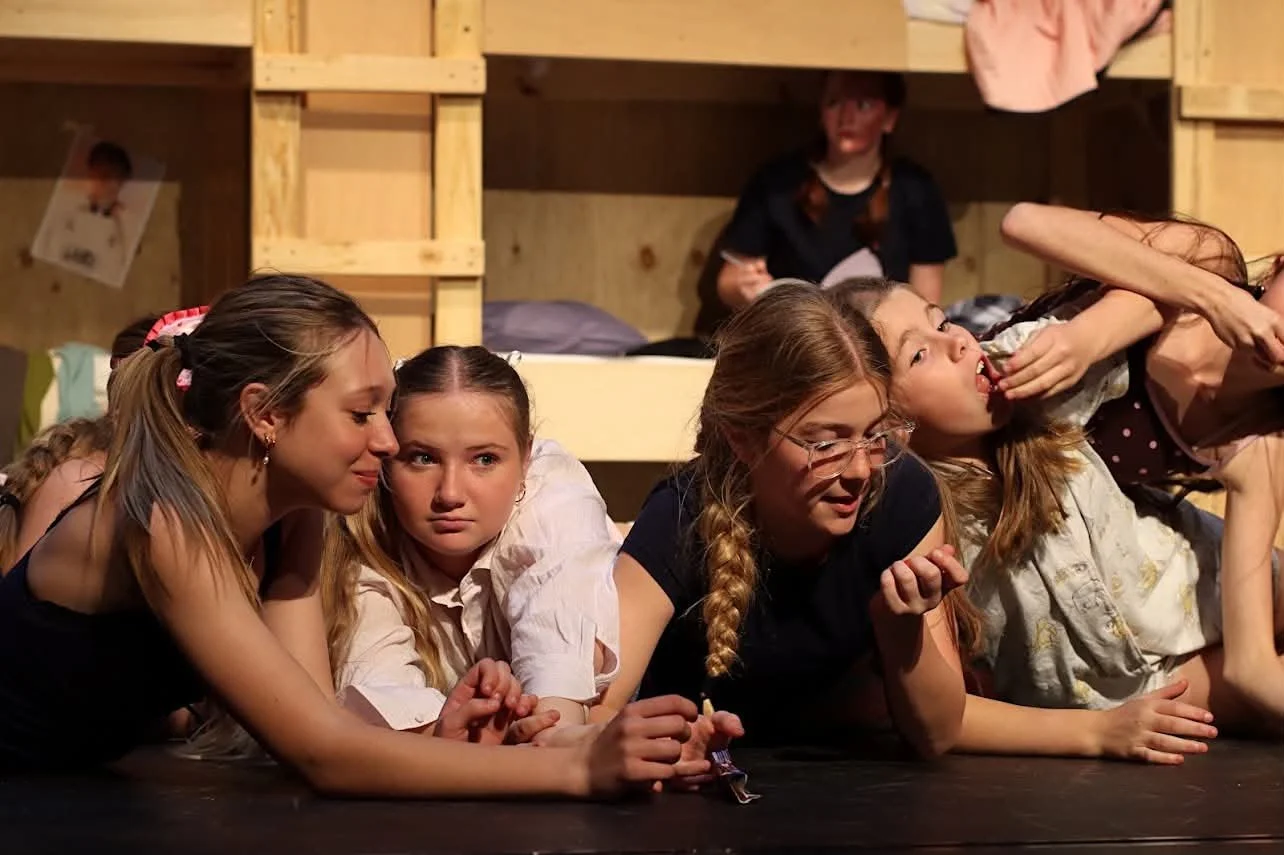

Welcome to Week 10…and the final week of Term 3!
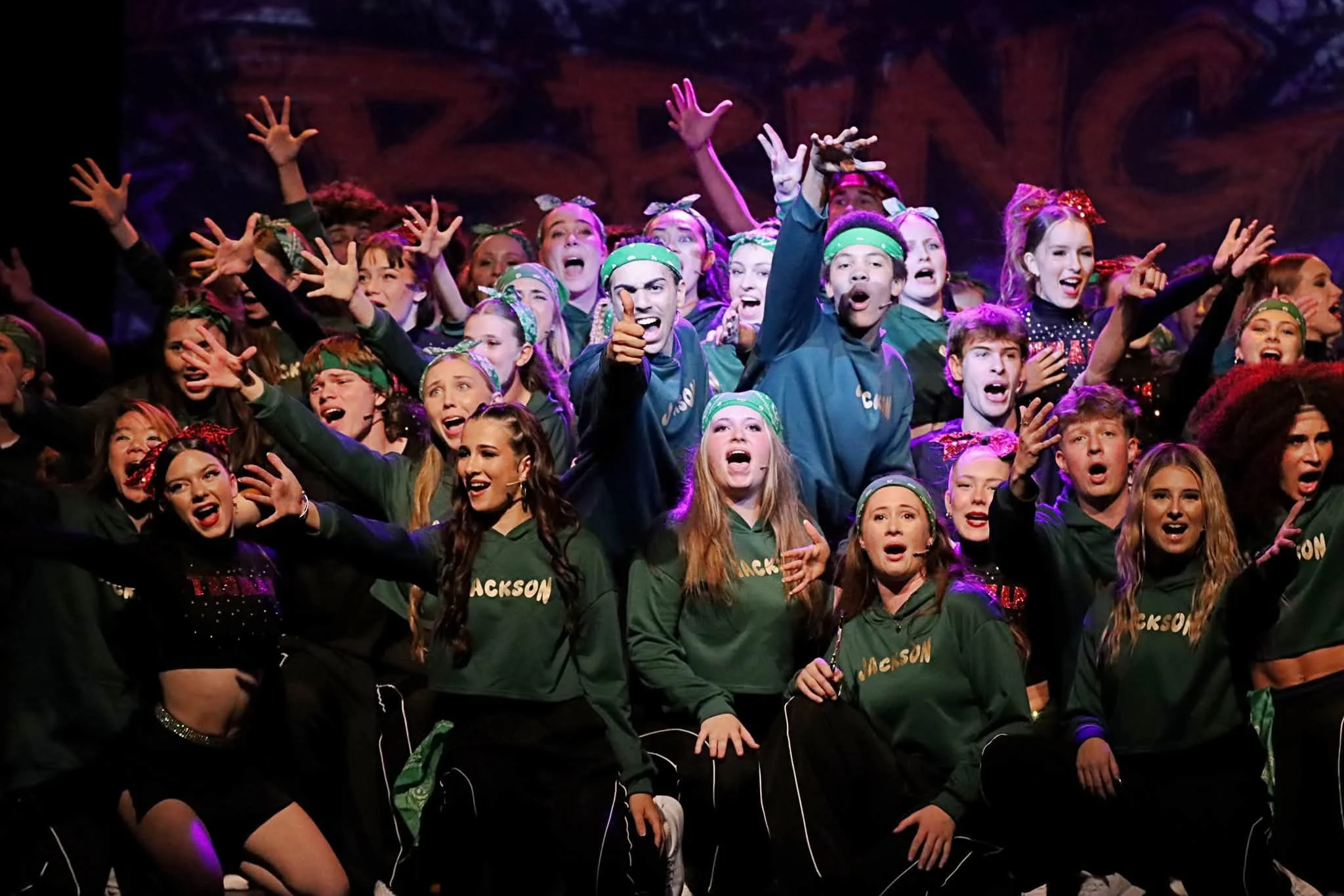
We’re finishing the term on a high as our Broadway Kids class take to the stage in The Jungle Book KIDS. We can’t wait to see all their hard work come to life! Then, over the school holidays, we’ll be heading straight into our production of Charlotte’s Web. There truly is no rest for the wicked, but we wouldn’t have it any other way!
Please note that I will be out of the office from 19 September to 2 October. During this time, any urgent correspondence should be directed to Mandy at [email protected].
Wishing everyone a wonderful final week of term and a safe, happy holiday break!