
NAPA News - Week 6, Term 1, 2026

FROM THE DIRECTOR
Week 6 is underway! As the weather changes we are bound to start seeing some sickness creep in, I myself am currently off sick. If your child is unwell please keep them home, as illness spreads so easily around the studio. Below is a reminder of our absentee policy for everyone, so that everyone knows the correct procedures for this.
ABSENTEE POLICY:
If your child is going to be absent for any reason, the first step is to log this in your parent portal. Click on “attendance” and then “report absence”. You can then choose the dates your child will be absent for. Teachers will then see this when they mark the roll, so there is no need to email and let us know. If your child is going to be missing an important rehearsal, please email their teacher, along with Kimberley, to ensure that we can plan for their absence. All our teacher contacts can be found in our week 3 newsletter.
Stay healthy everyone and have a great week!
QUICK REMINDERS
Lost property - Please be sure to check this regularly throughout the year.
Jewellery - a quick reminder that excessive jewellery is not to be worn to any NAPA classes and that any earrings worn in dance class should be small studs or sleepers only. No other jewellery should be worn in dance classes, as this creates a safety hazard for dancers and their peers. PLEASE LEAVE AT HOME to avoid losing anything precious.
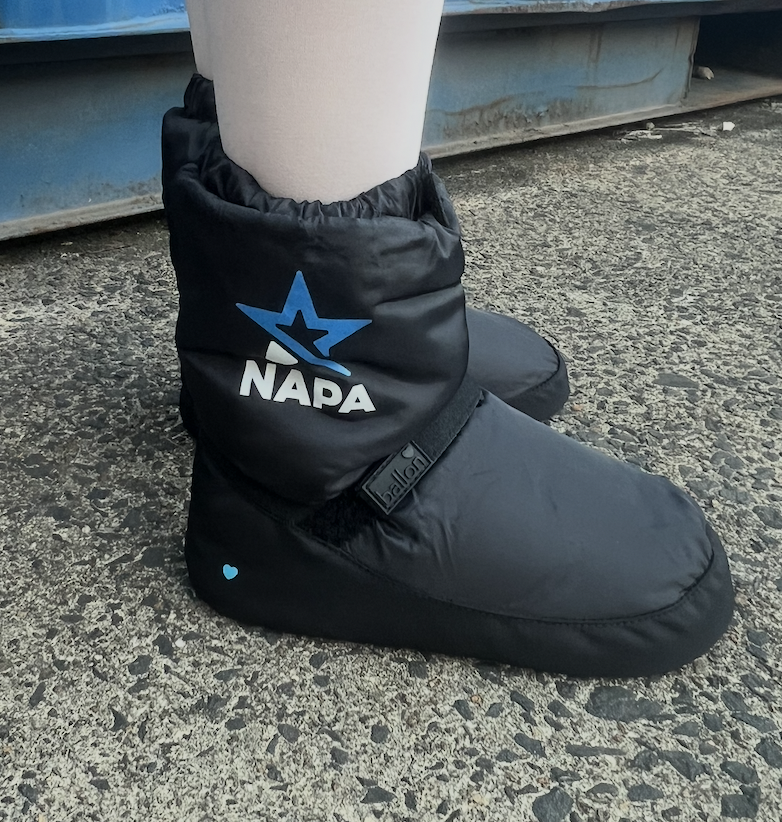
Footwear - please note that there will be strict guidelines around footwear at NAPA this year. This is for the safety of our young dancers - Jazz, Combo, Technique and Performance Team students must wear jazz shoes - Hip Hop, Tread the Boards and Broadway students must wear sneakers or jazz shoes - Ballet students must wear ballet shoes and Tap students must wear tap shoes. The only class where bare feet will be allowed is lyrical/contemporary, and we recommend students wear black dance or NAPA socks to these classes. Students will not be able to participate in class if they do not have the appropriate footwear.
NEWS HIGHLIGHTS
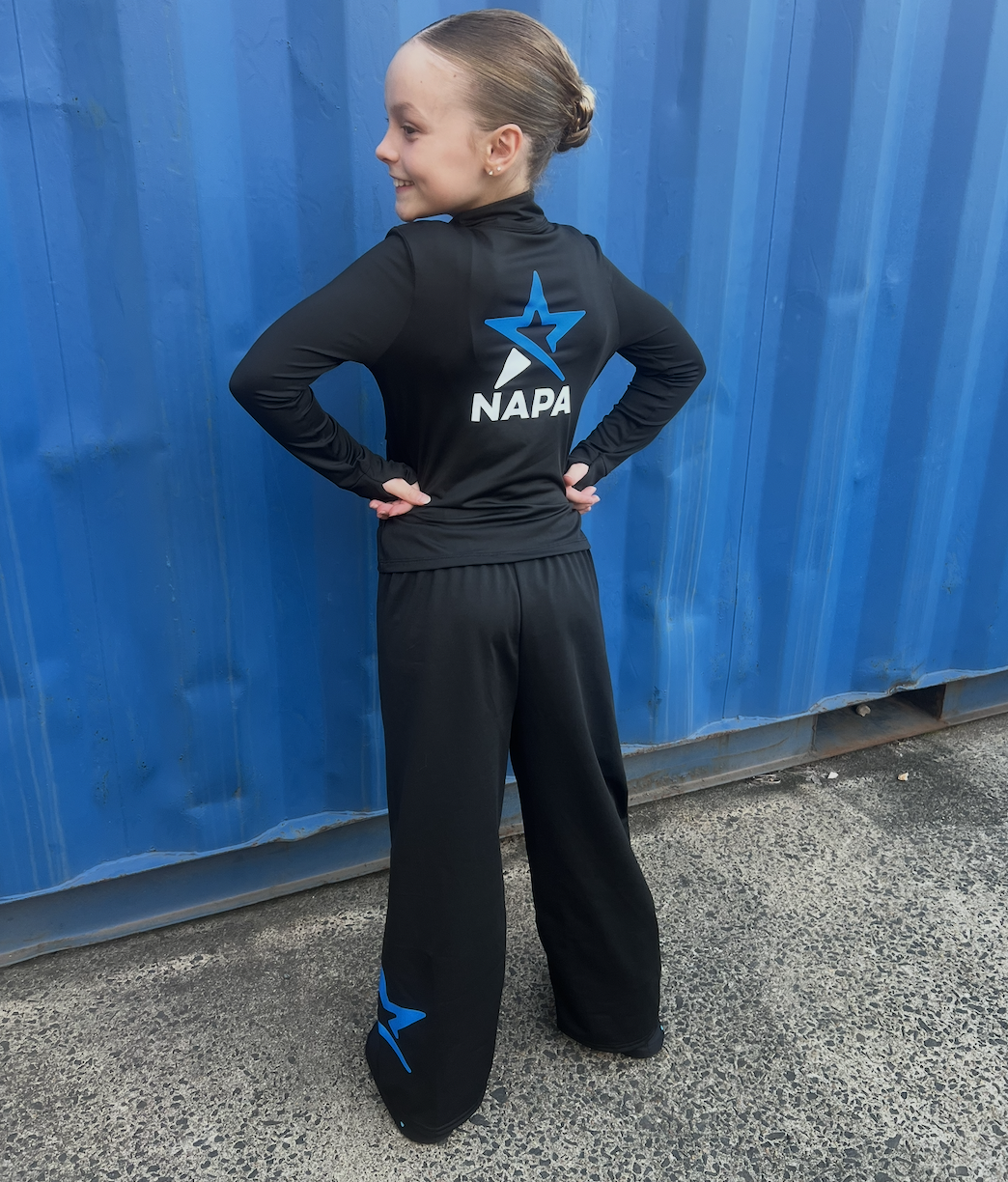
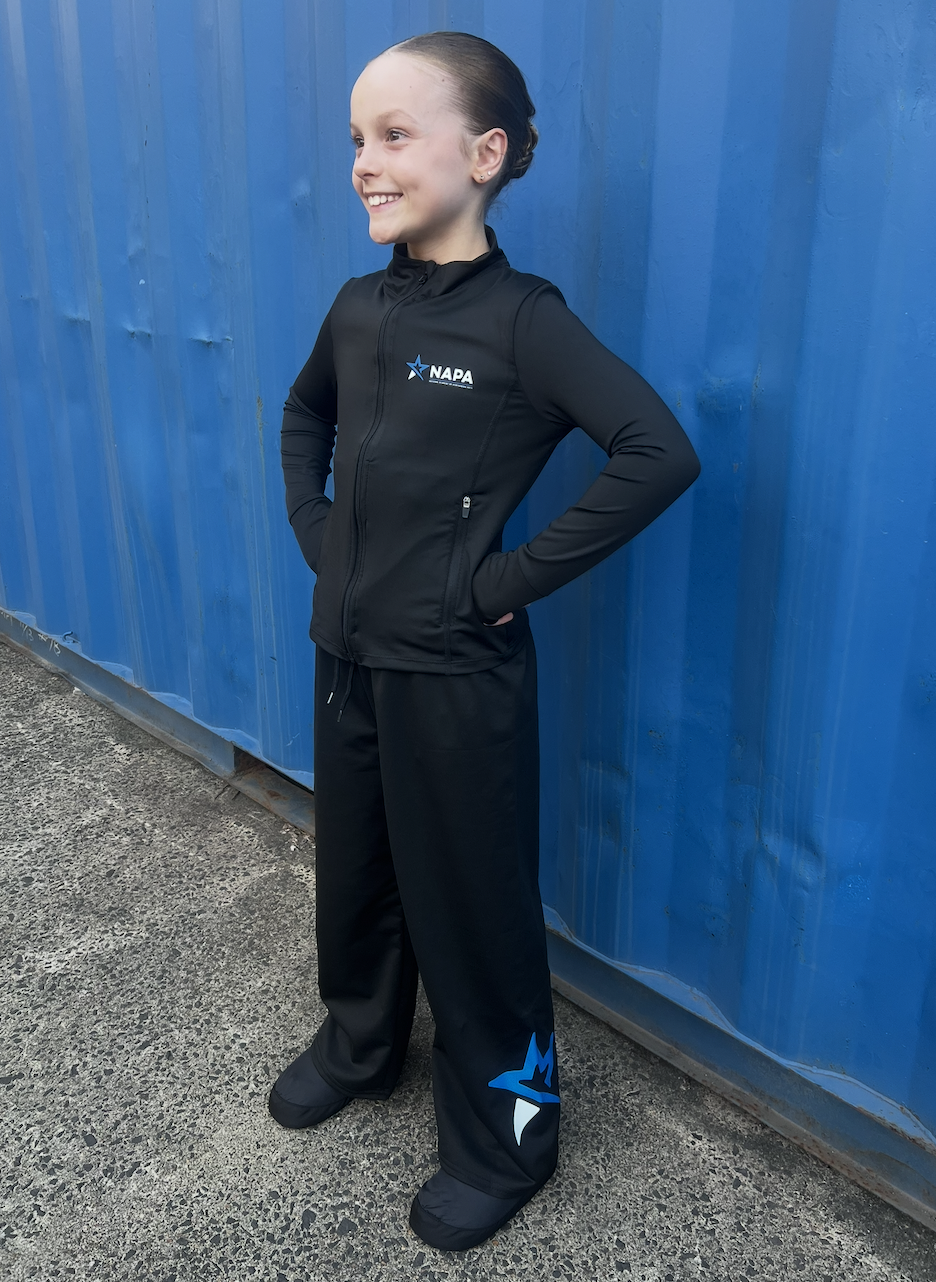
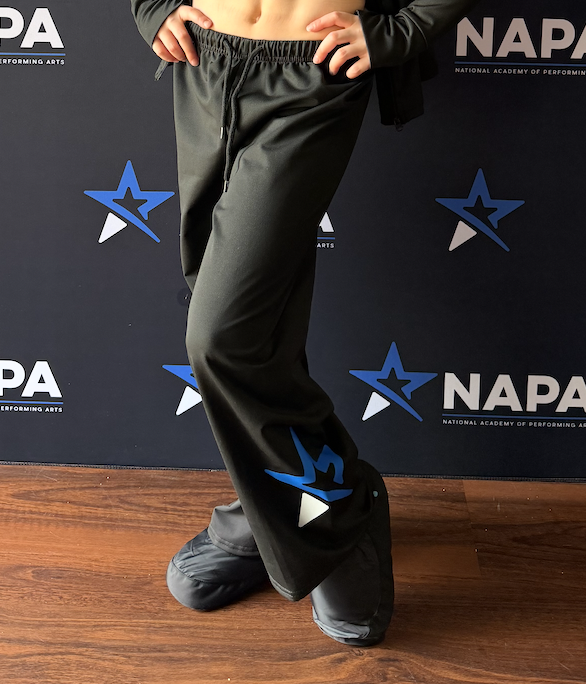
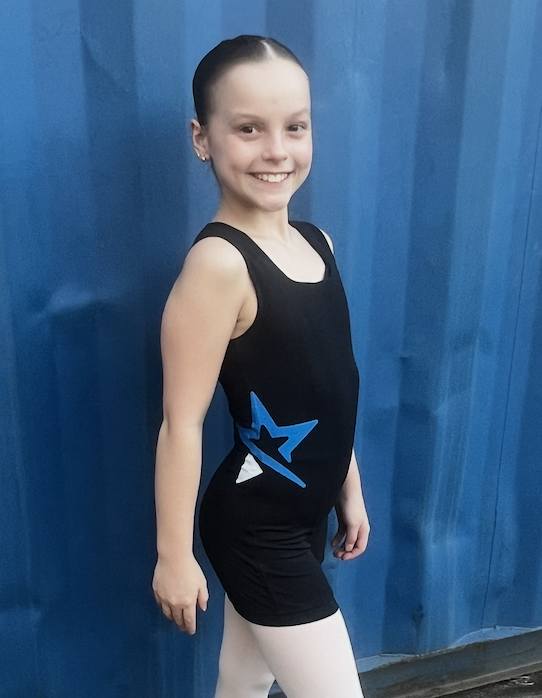
NEW UNIFORMS ARE HERE!
Our first round of new uniforms are here and ready to be ordered. We recommend popping into reception and trying on, as some of the sizes are quite varied. We are still awaiting our new boys jackets and senior wide leg track-pants, which will hopefully be here soon. To order simply visit your parent portal and click on “Store”.
CONGRATULATIONS BROADWAY EXTENSION STUDENTS
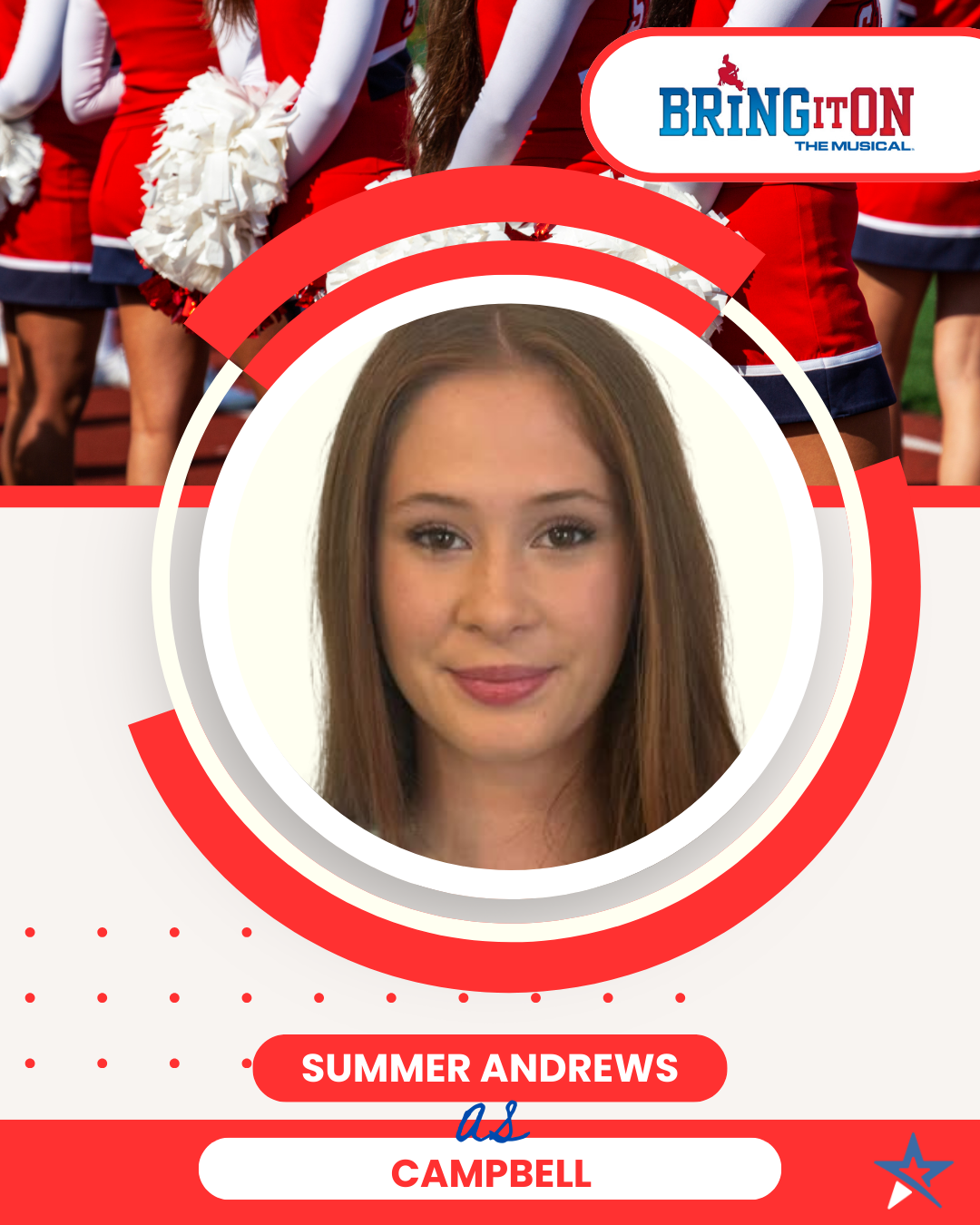
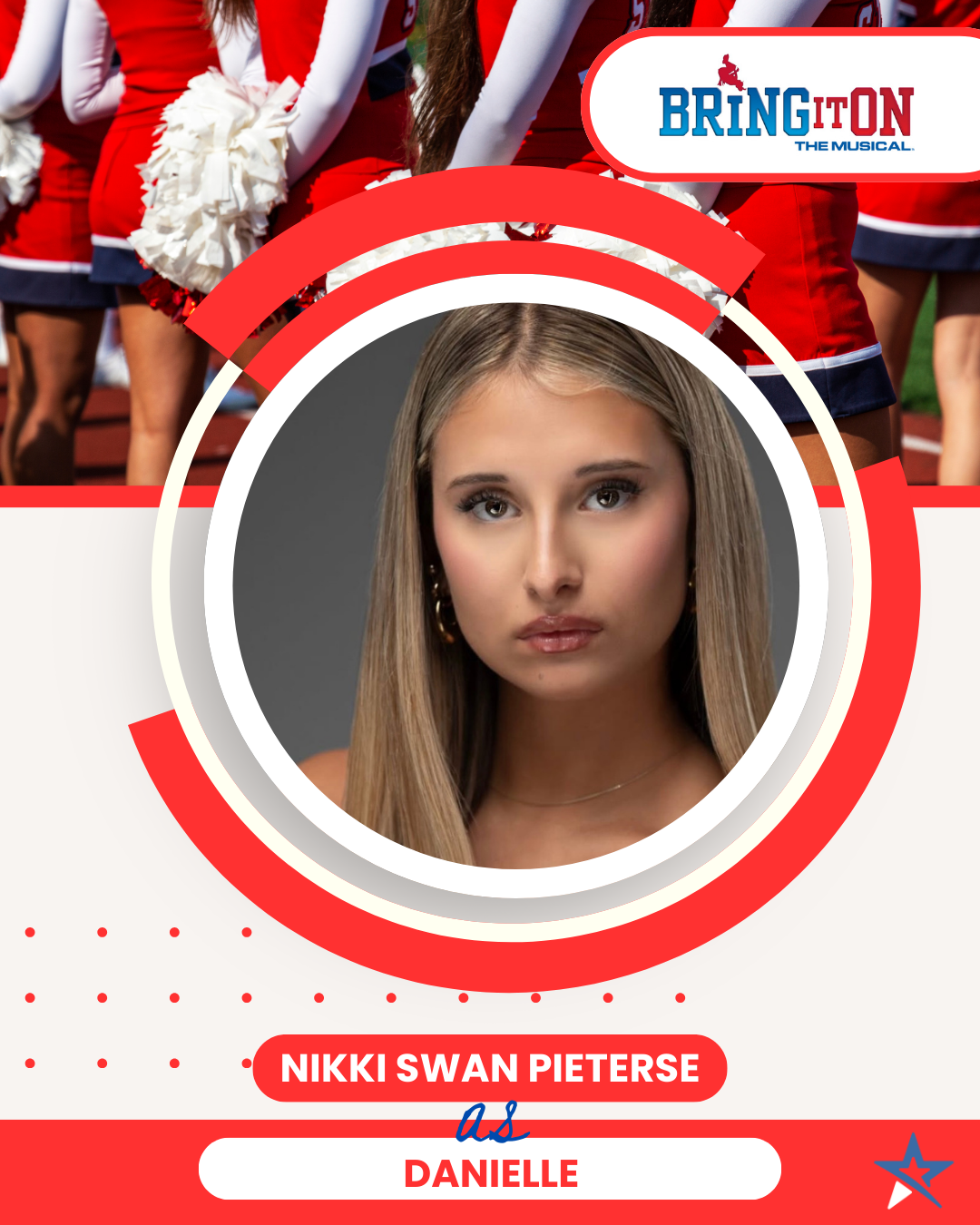
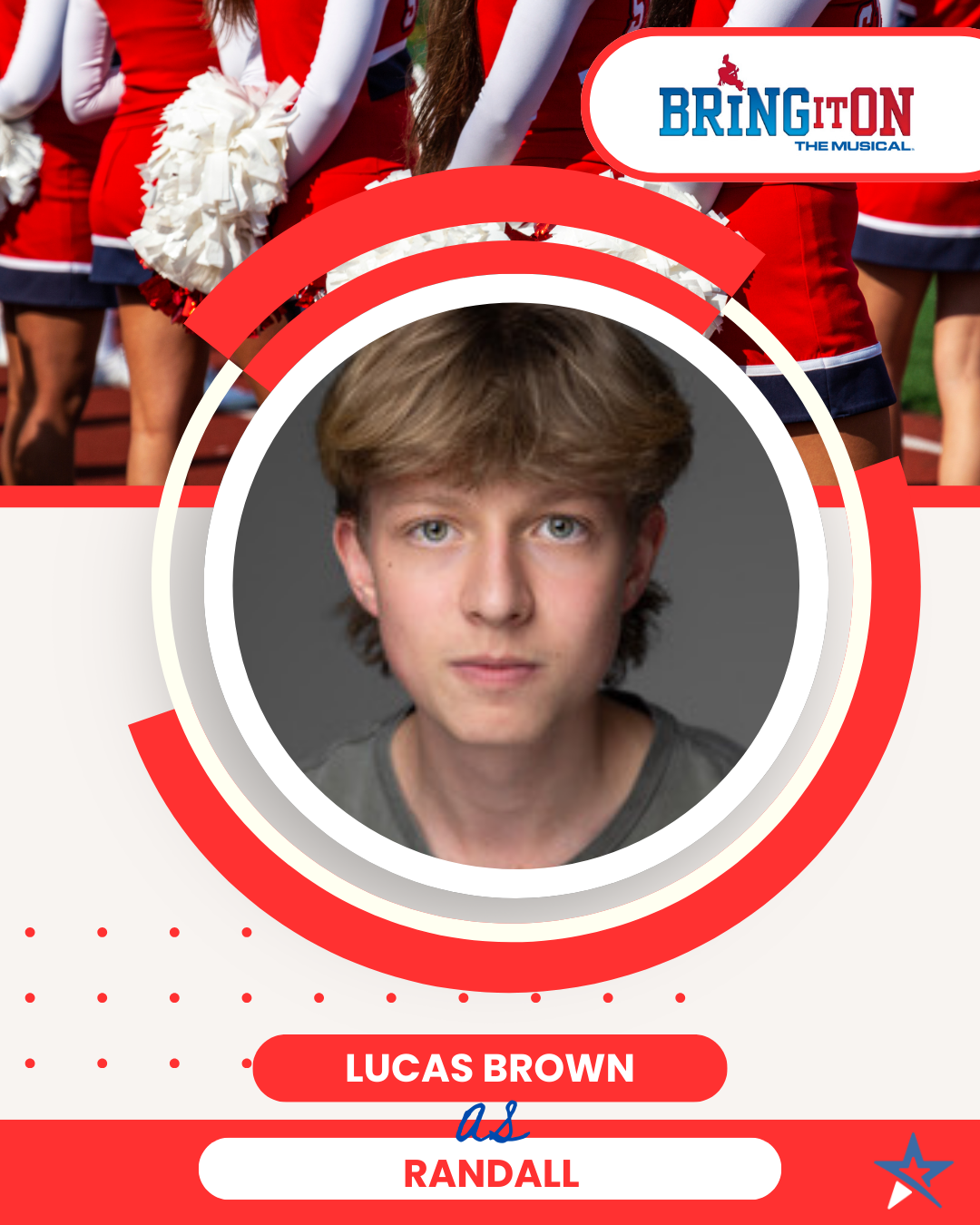
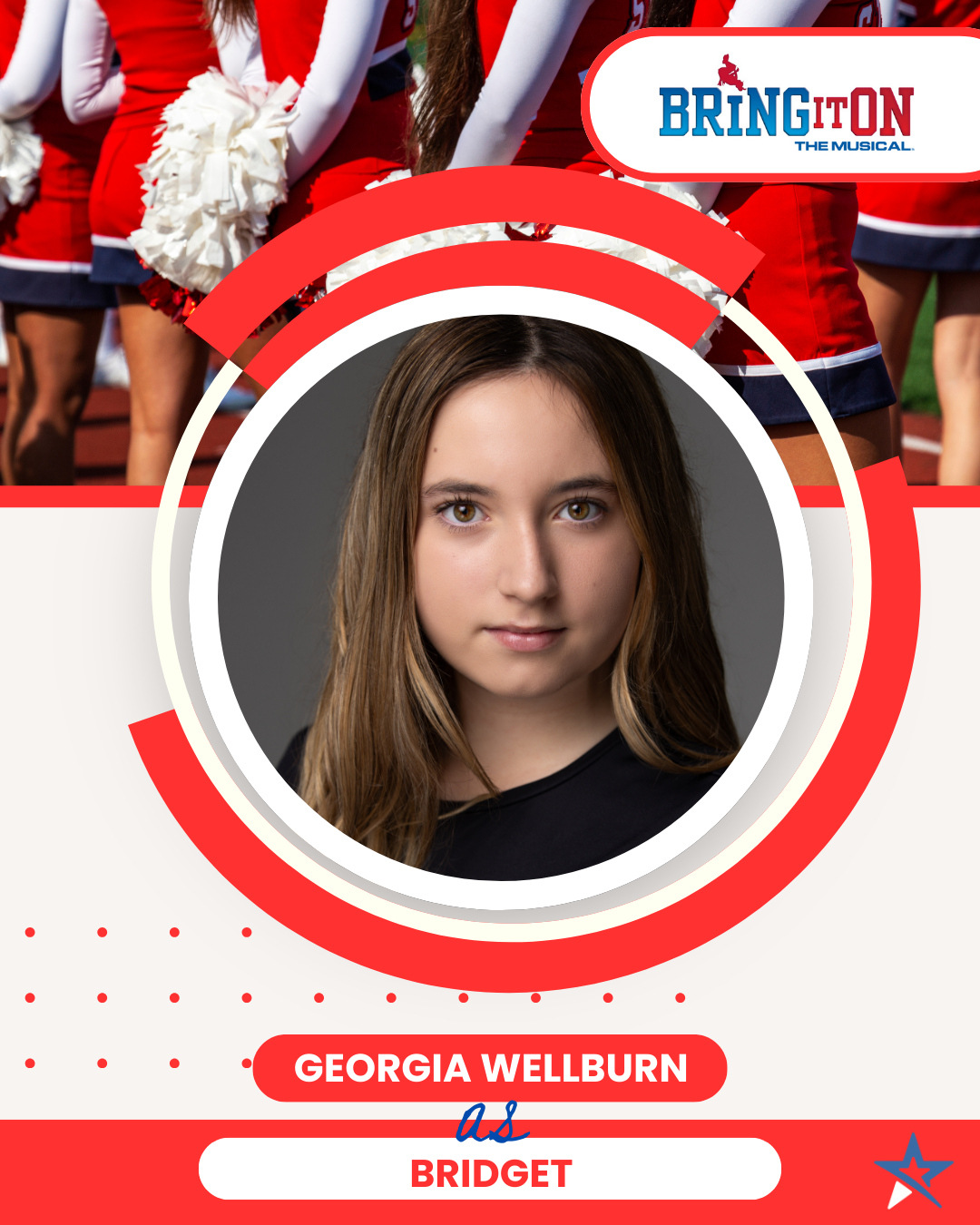
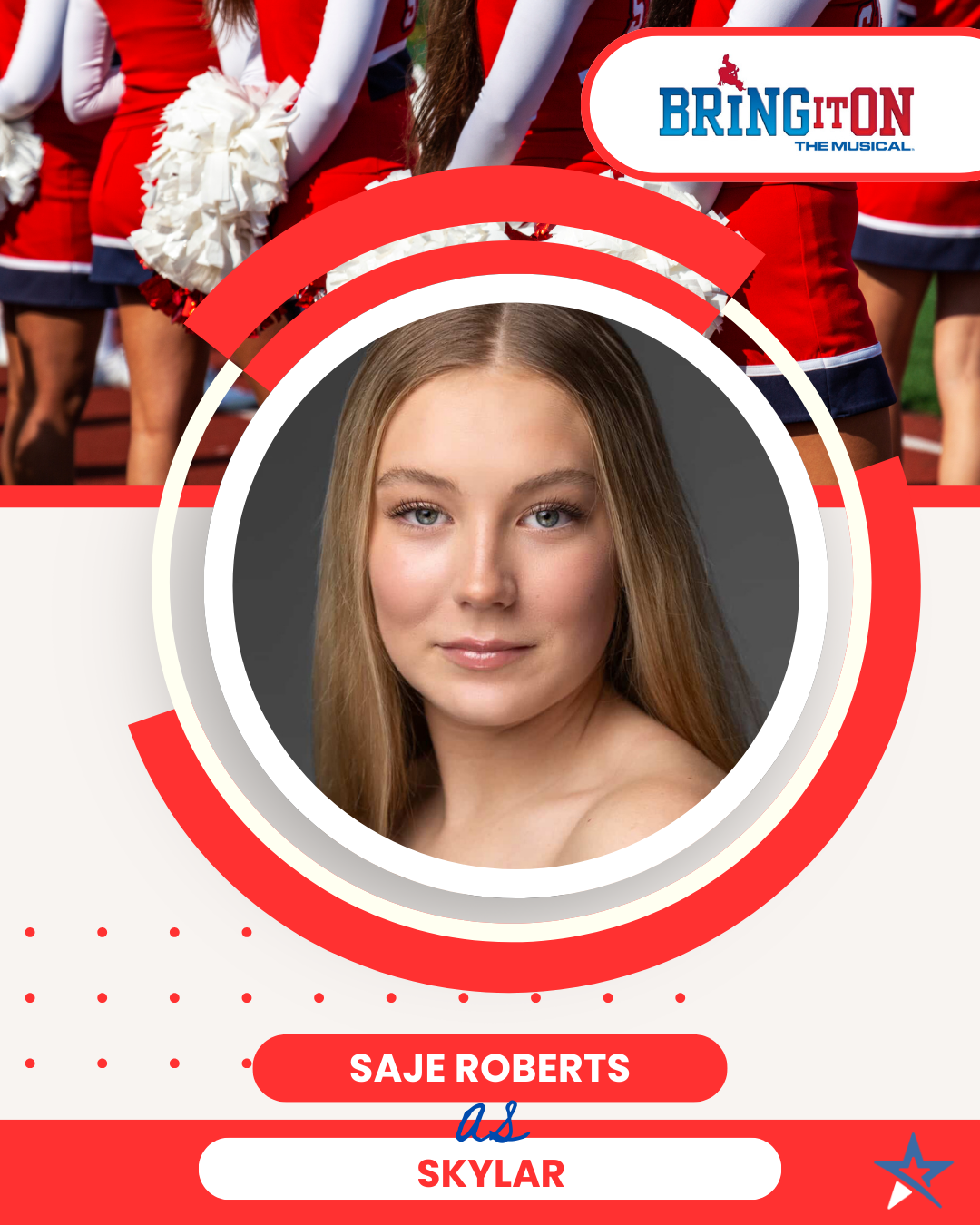
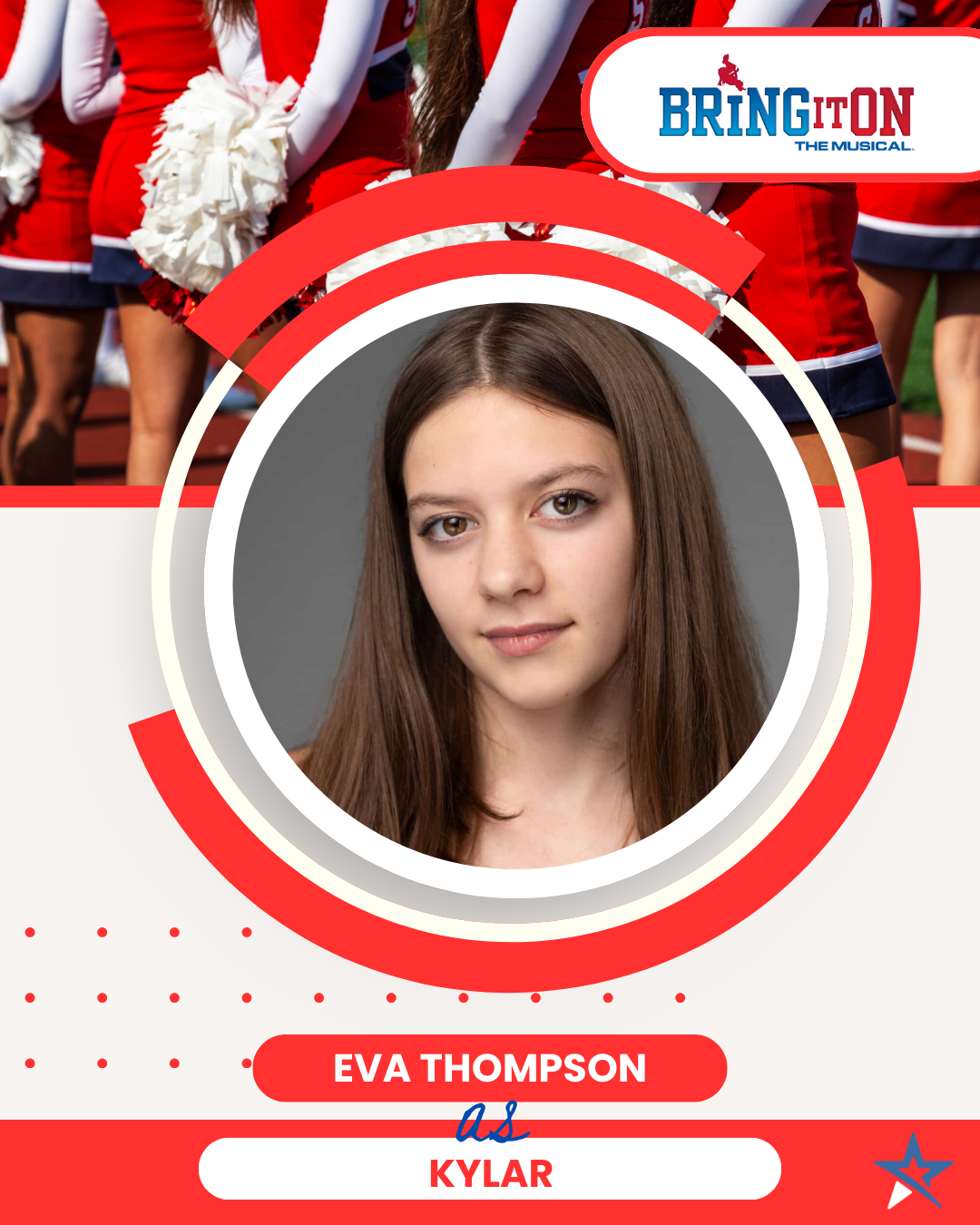
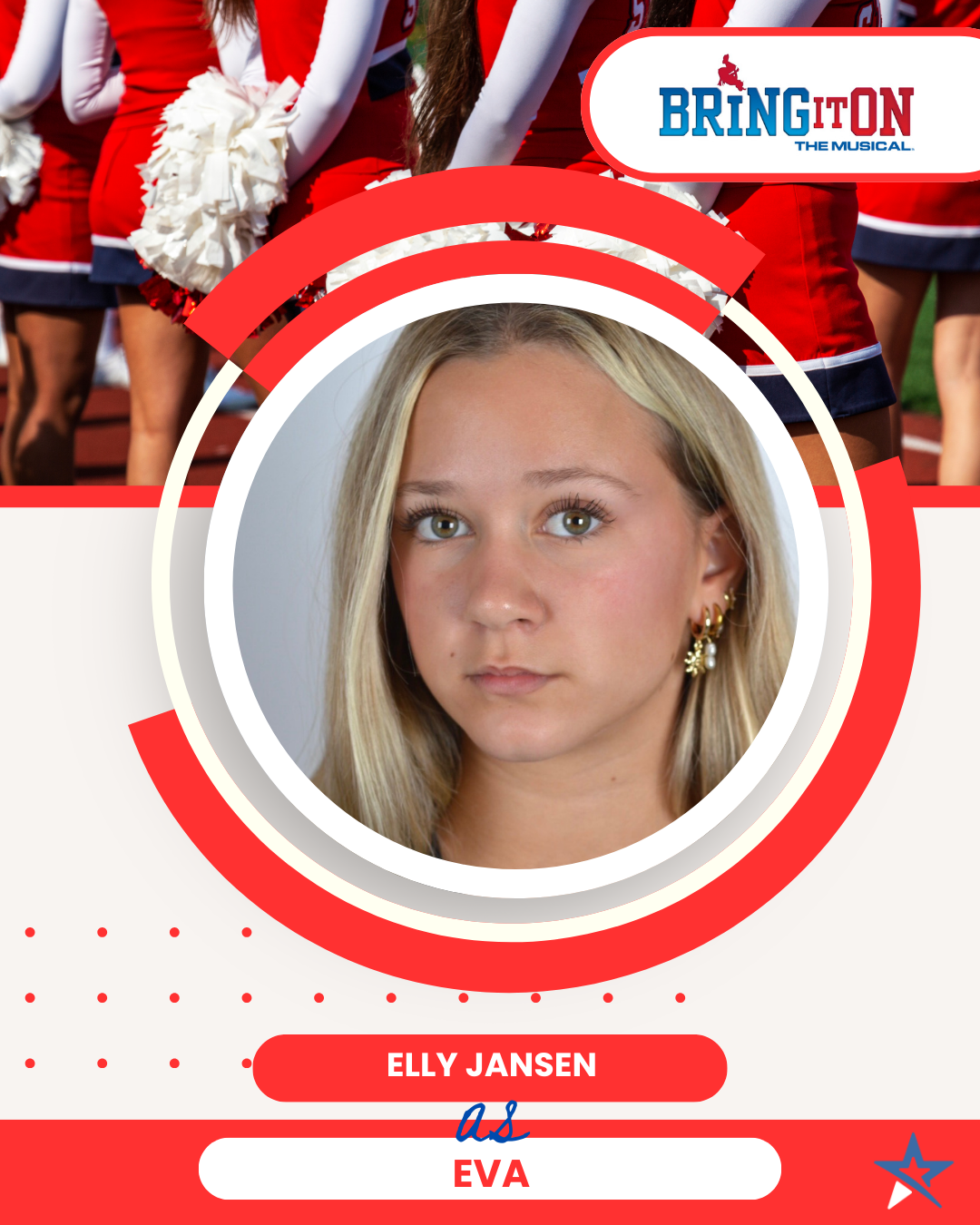
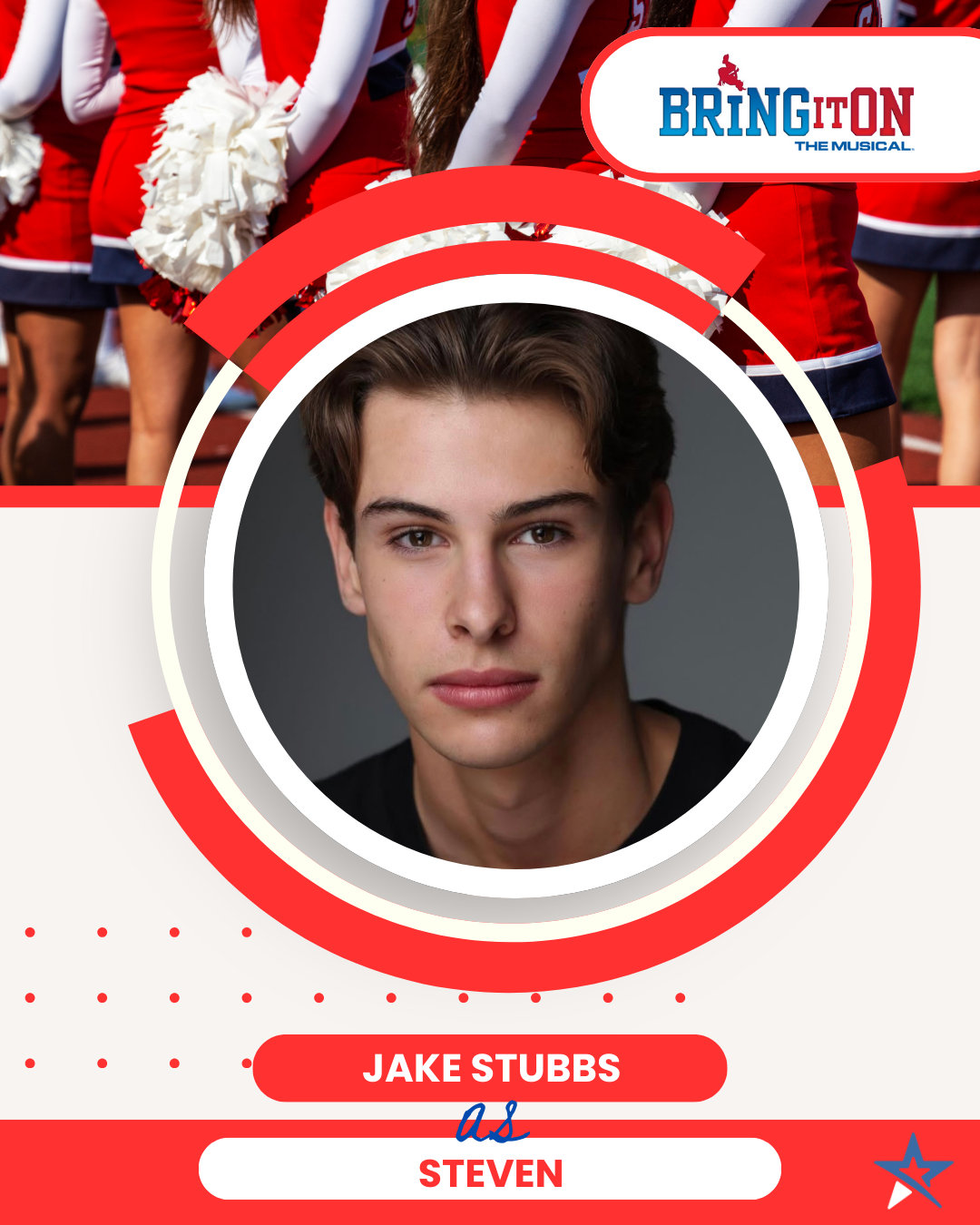
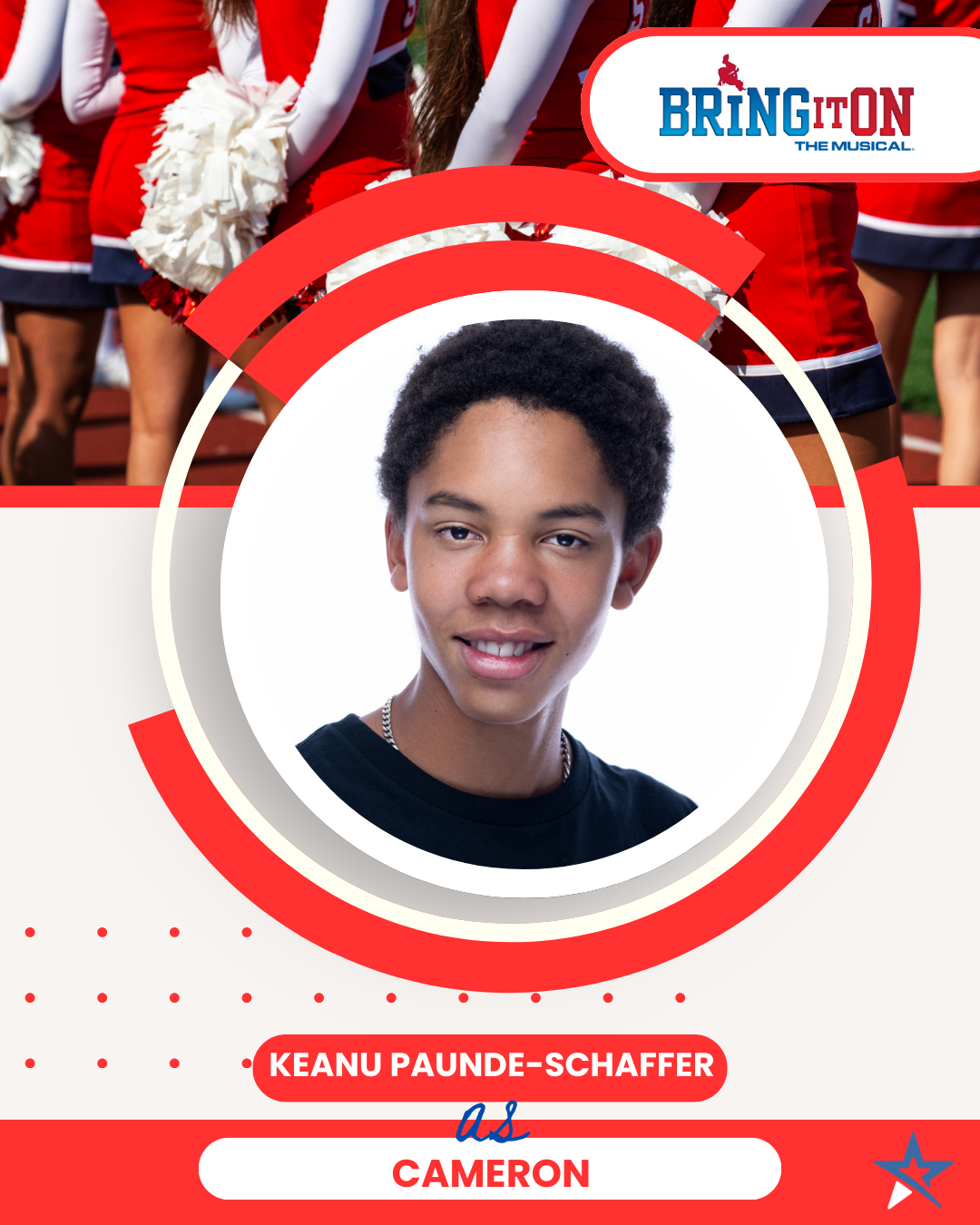
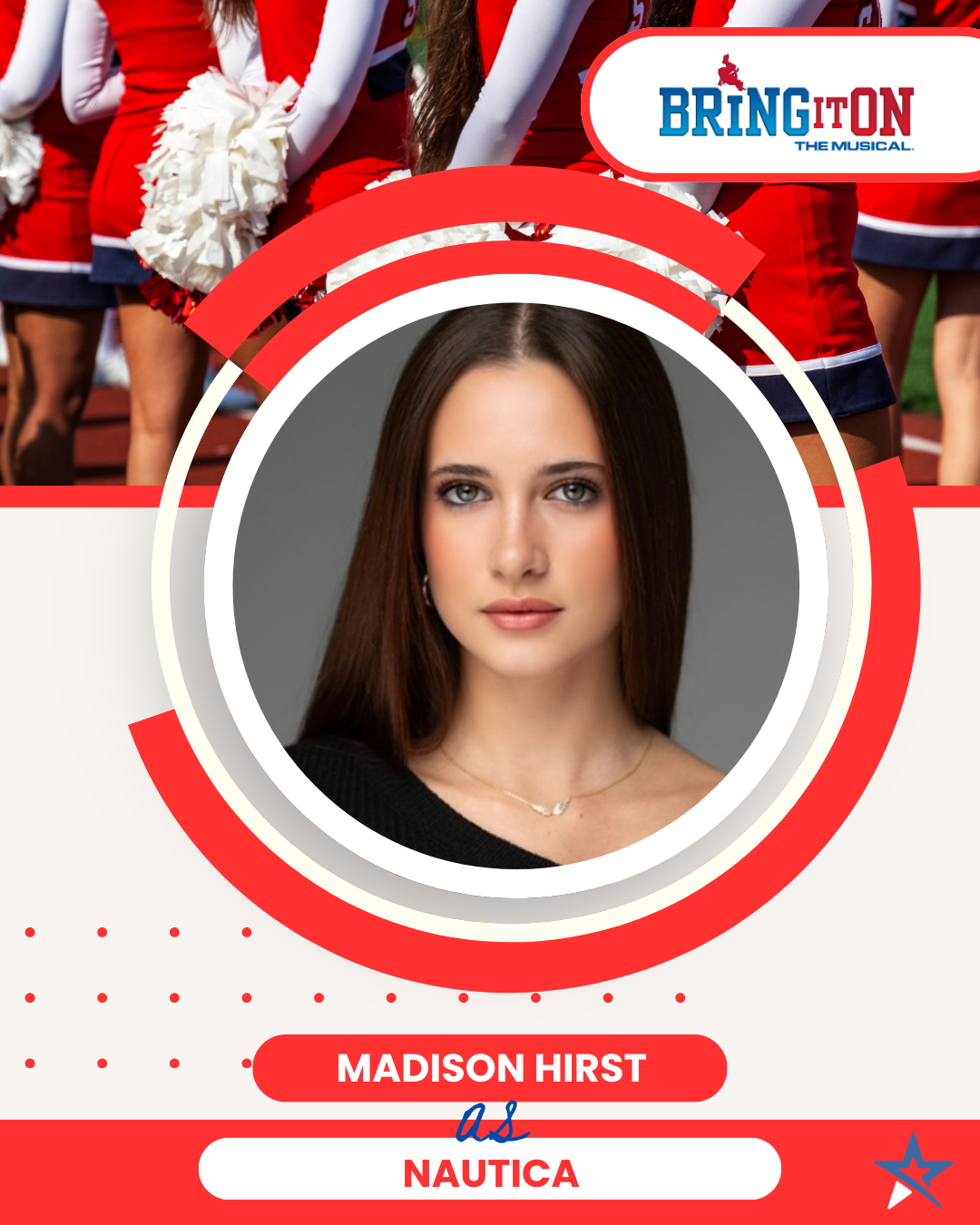
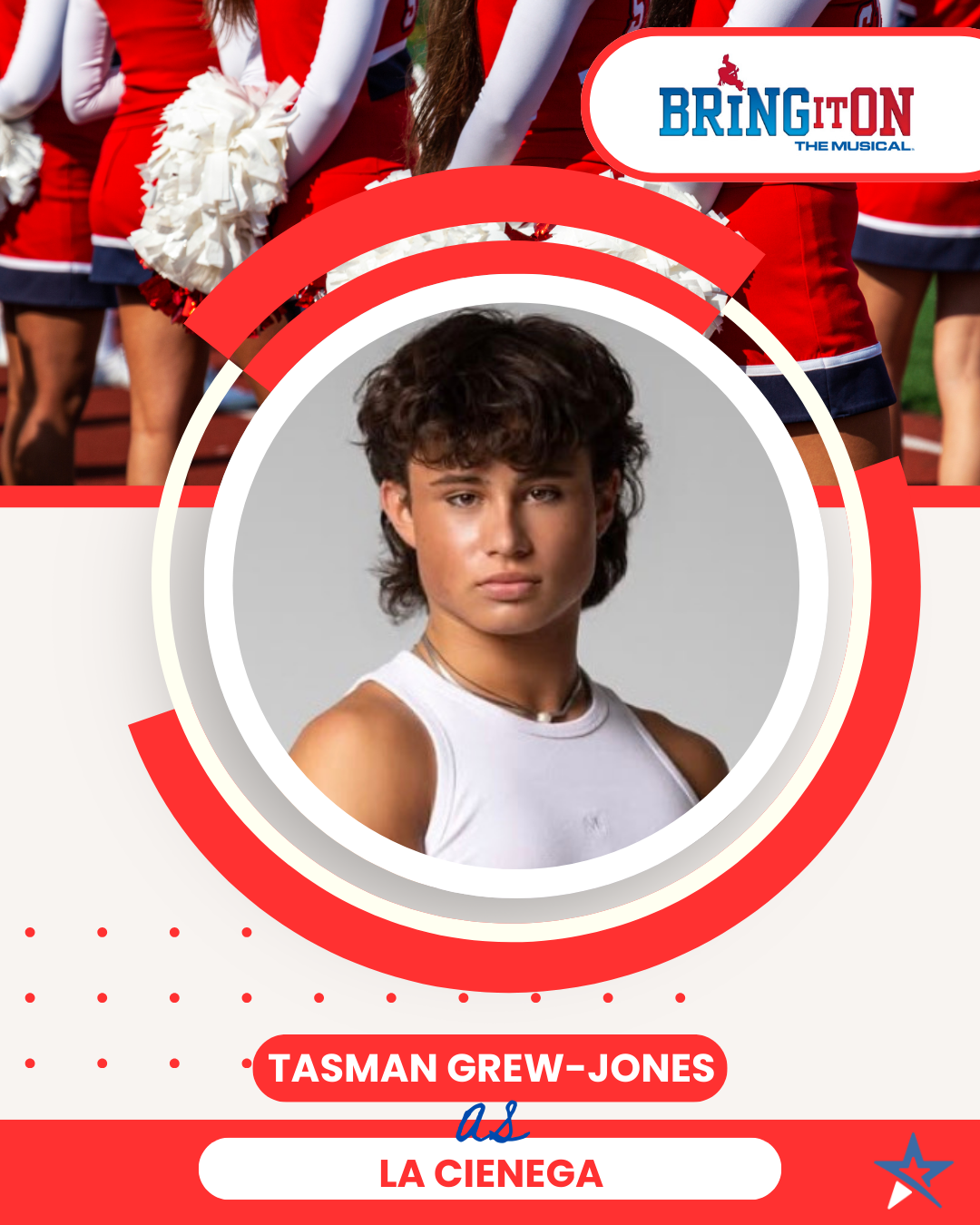
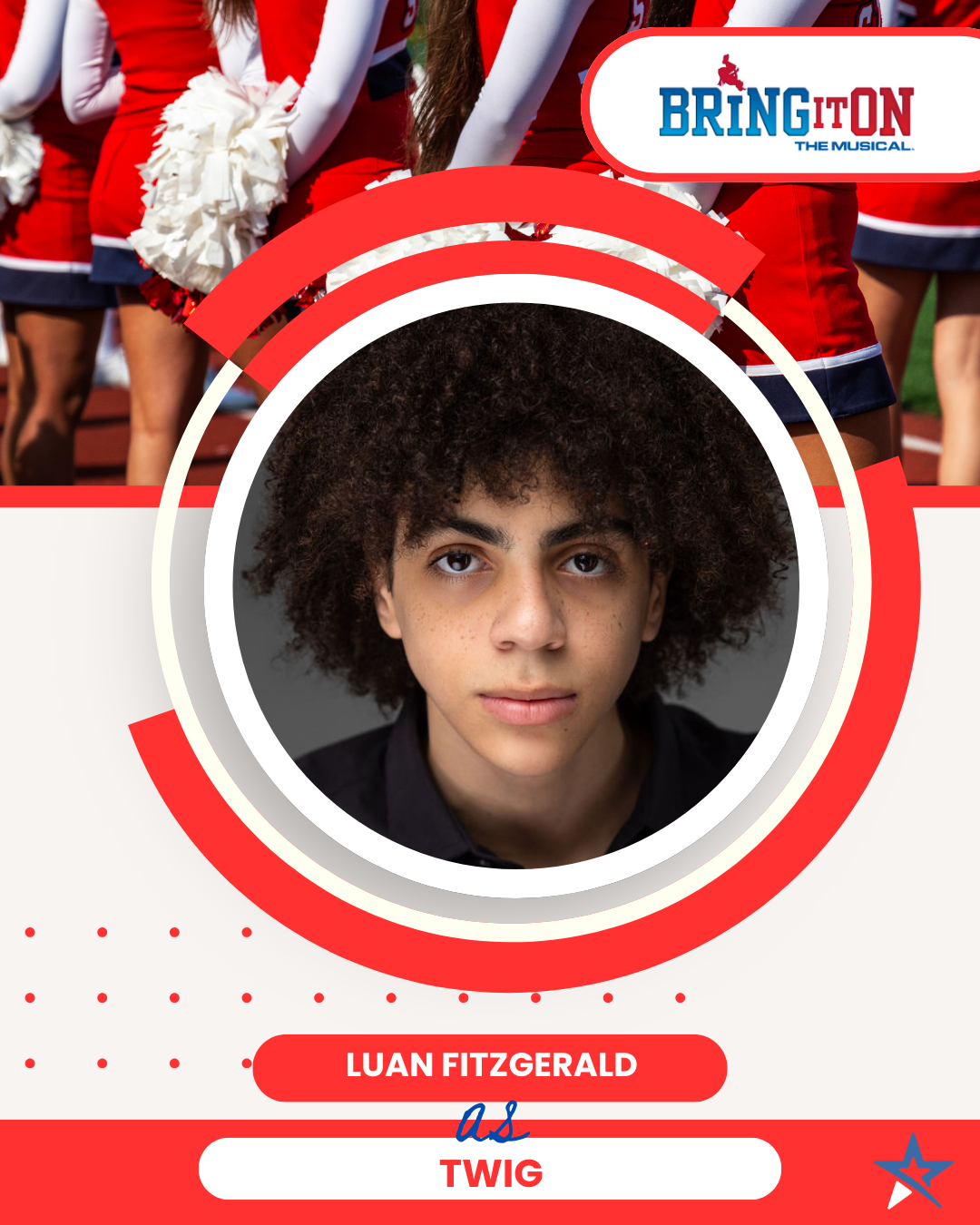
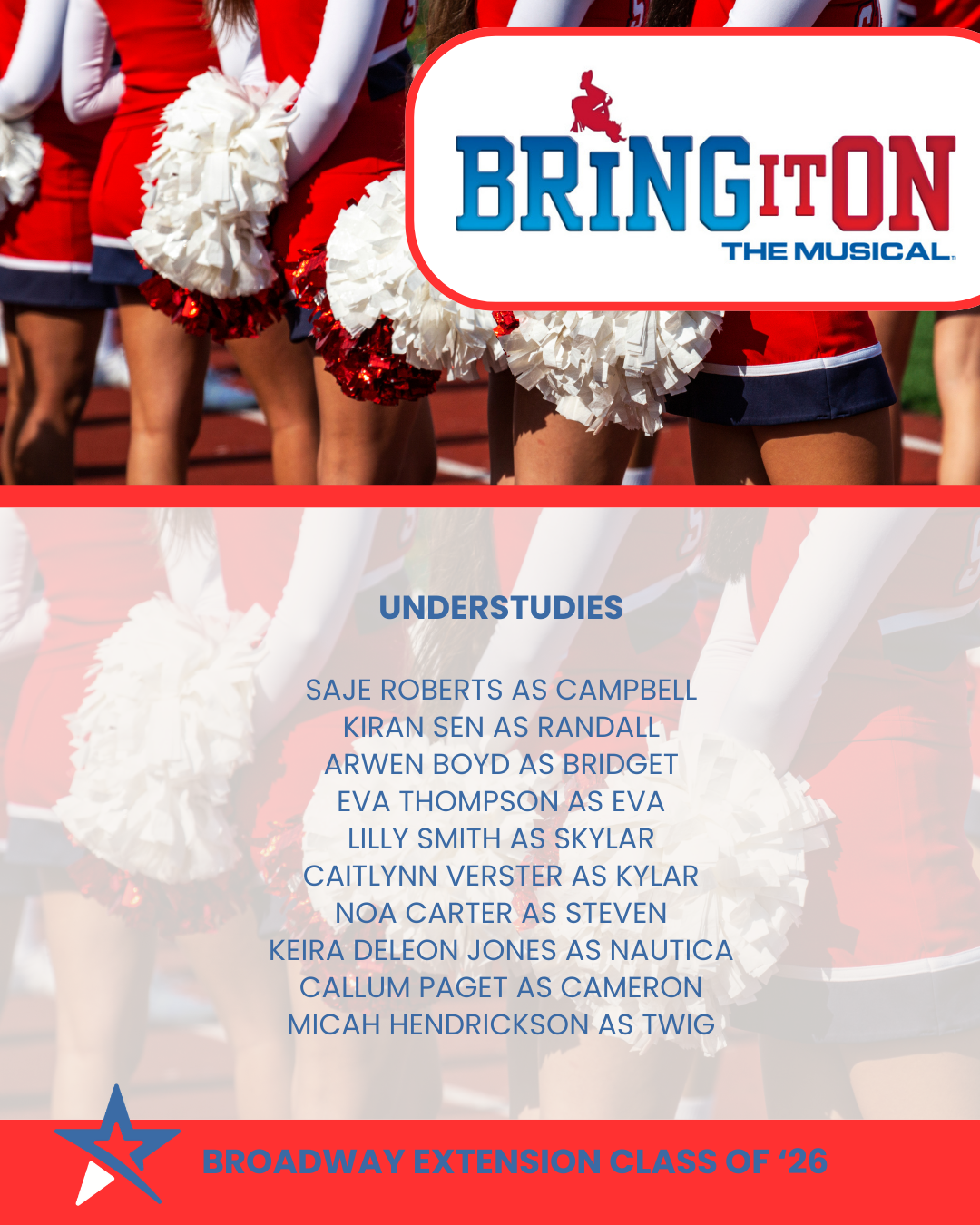
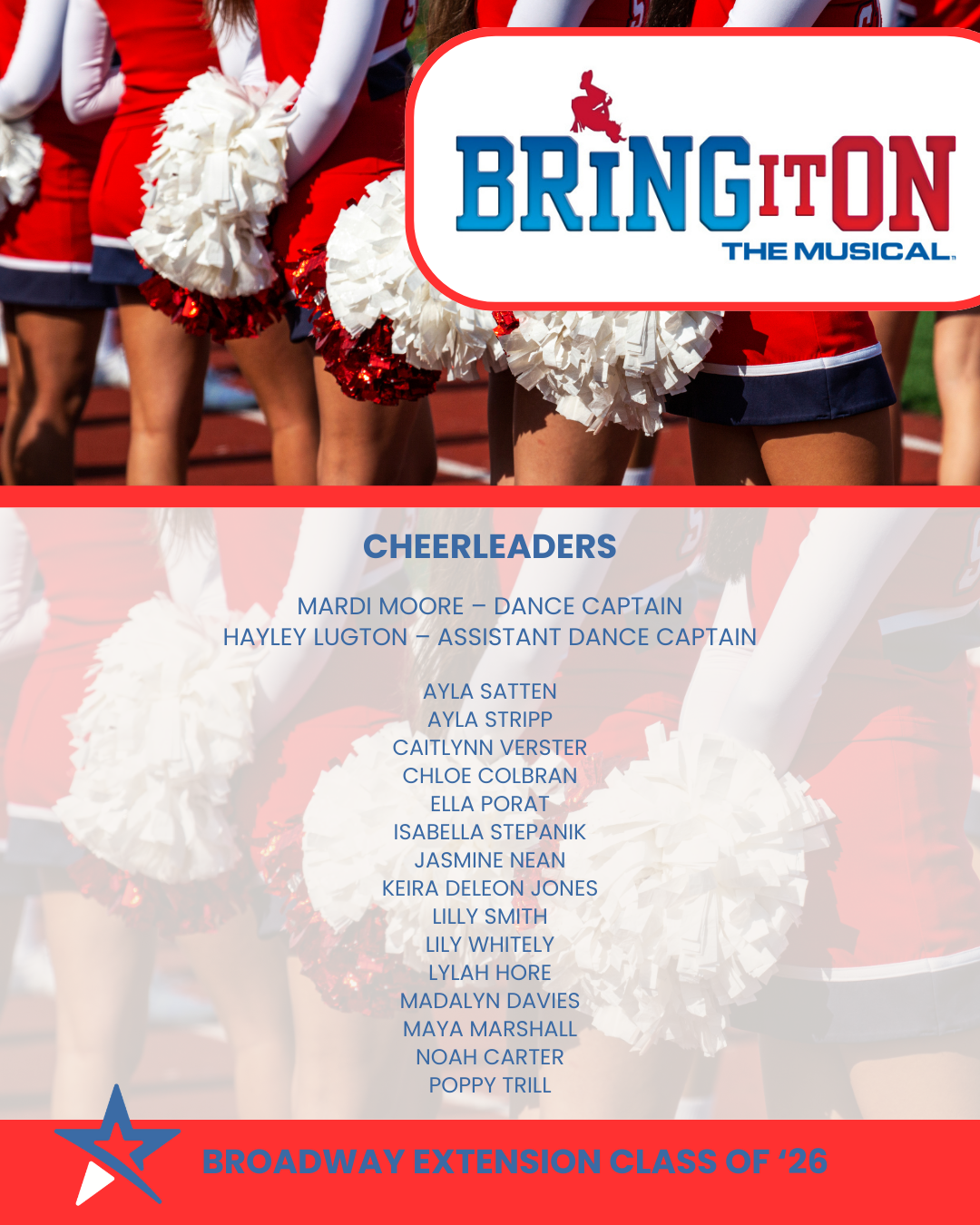
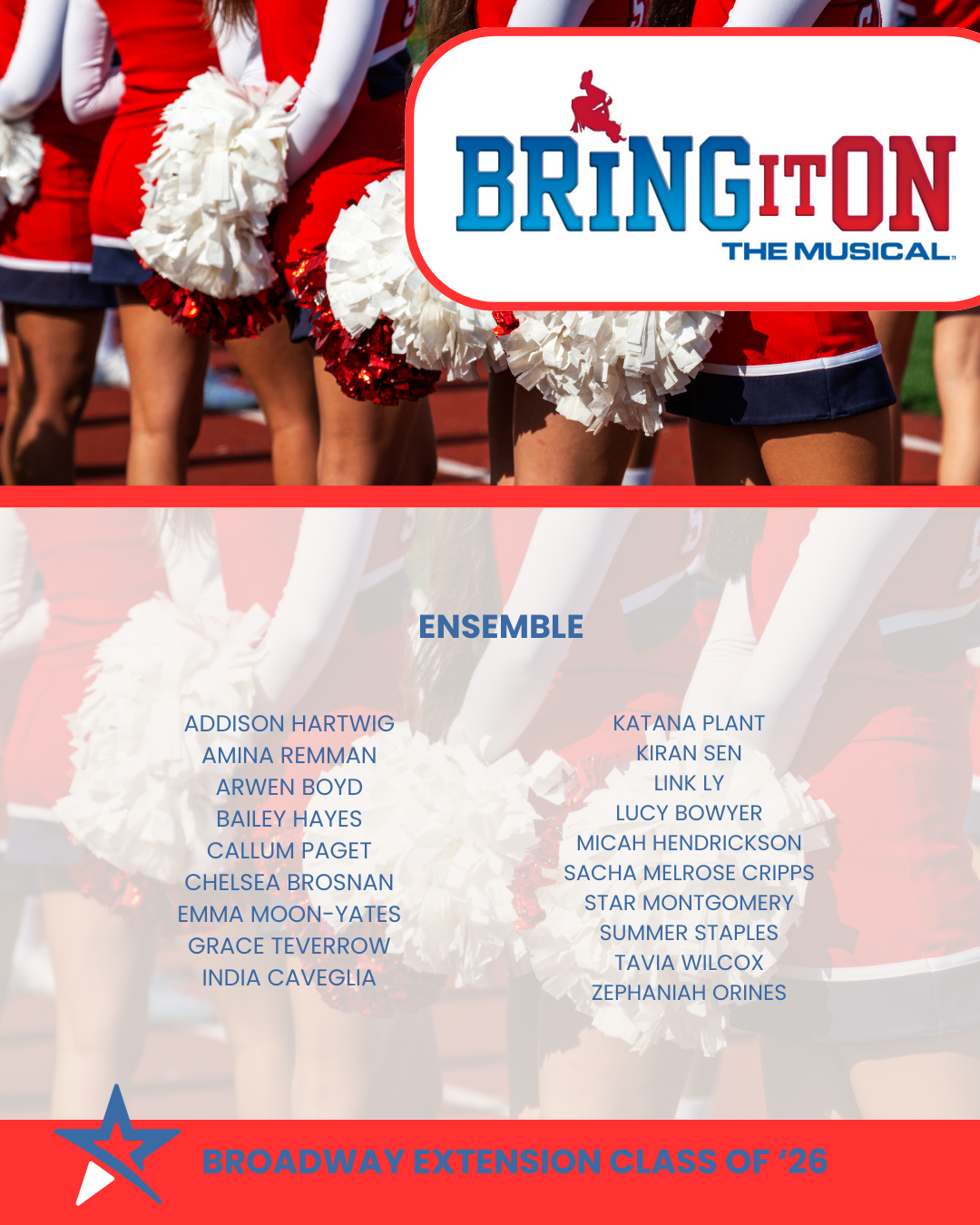
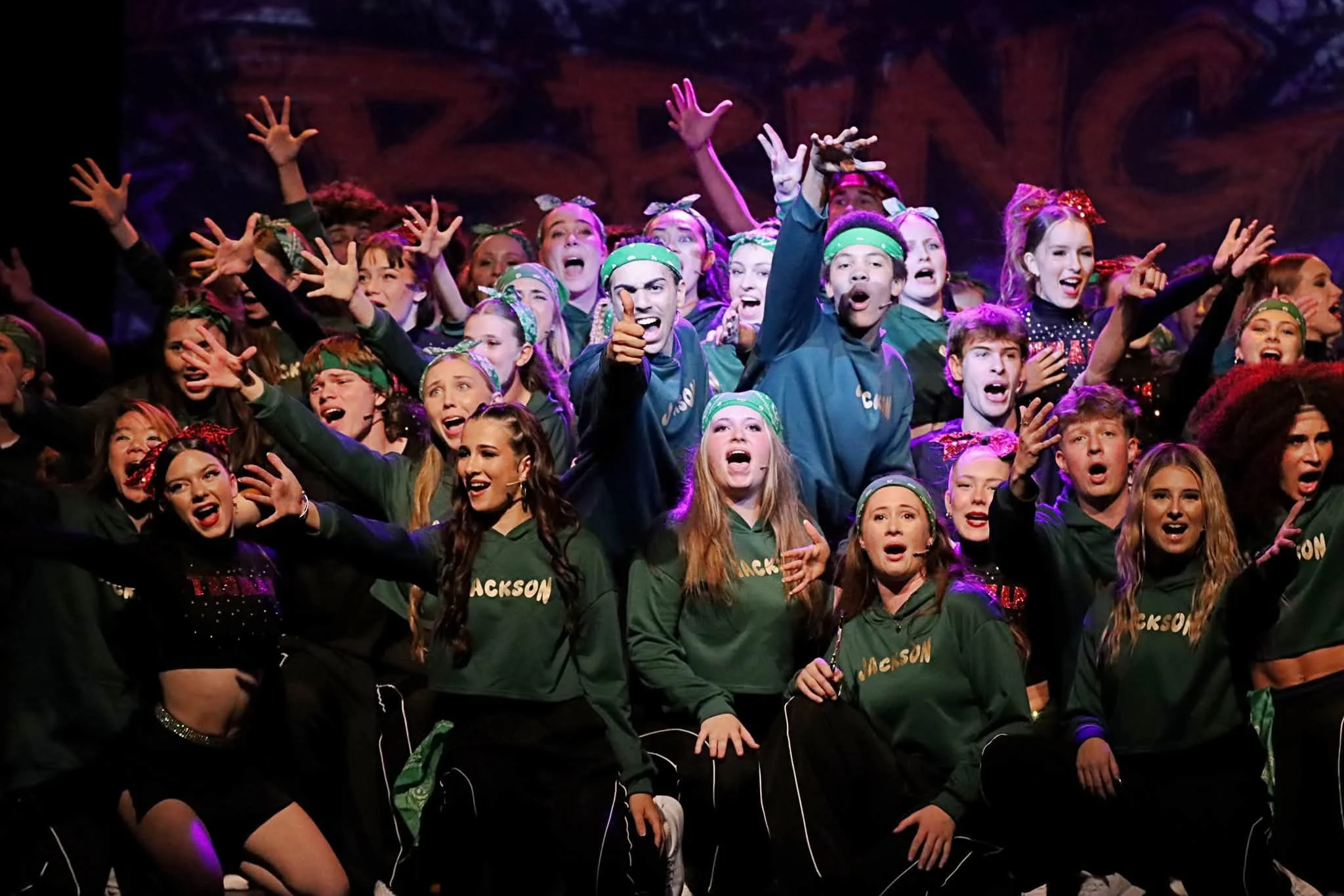
Congratulations to our Broadway Extension students on their casting for BRING IT ON. The class is now well underway with their rehearsals and are being guided by our amazing team - Miss Hollie, Mr Michael, Miss Steffi and Miss Laila. This musical (based off the popular film) will challenge our students in a whole new way, as they learn cheer skills, embrace new characters and continue to build their “triple threat” skills. We can’t wait to see the show later in the year!


THE AUDITION PROCESS
I often do posts in our Wellbeing and Performance Tips sections around auditions, but thought I would add an extra note in our main section this week. Term 1 is always full of auditions which is both exciting and nerve-wracking. Auditions are a big part of the performing arts and we often say they are “part of the job”. It is so important that students build a positive relationship with the audition process early in their training, especially if they want to pursue this as a career.
One of the most important things to remember is that an audition is simply an opportunity to share your work. Preparation, professionalism and attitude matter just as much as the final outcome. Arrive prepared, know your material, listen carefully to instructions and always present yourself with respect for the panel, the space and the other performers in the room. These are the habits that build a strong reputation in our industry.
It is also important to remember that auditions are not always about who is “best”. Casting teams are often looking for a very specific combination of skills, voice types or a certain “look” to create the right balance for a production. Not being cast is not a failure, it is simply part of the process and something every professional performer experiences throughout their career.
Finally, treat every audition as a learning experience. Each one builds confidence, resilience and stagecraft. Celebrate the courage it takes to step into the room, do your best work, and then move on to the next opportunity. The more positive and professional your approach to auditions becomes now, the more prepared you will be for the realities of the industry later on.
Check out this week’s Performance Tips section on navigating auditions as a parent.
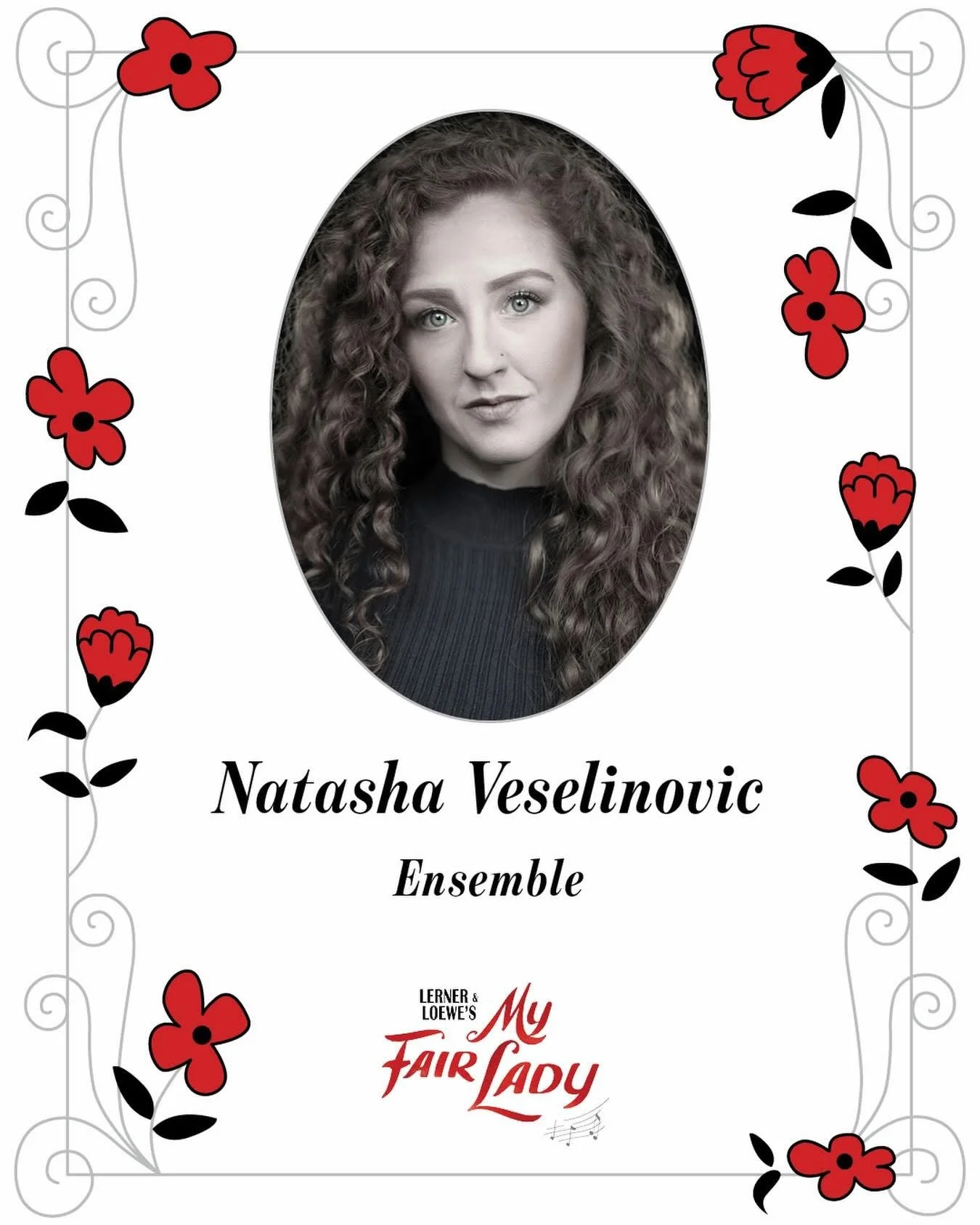
CONGRATULATIONS TASH! A MESSAGE ON NOT GIVING UP ON YOUR DREAMS!
One of our graduates, Natasha, has just been announced as part of the Sydney cast of My Fair Lady. Tash graduated from NAPA many years ago, but we have continued to follow her journey and stay in touch, as she was always such a wonderful member of our NAPA family.
Since graduating, Tash has spent many years performing in smaller local productions around Brisbane, teaching voice, and continuing to work steadily towards her goals. While she last appeared in a major mainstage musical around ten years ago, she never gave up on her dream of returning to that level of performance. Through persistence, training and a genuine love for the craft, she has now booked this wonderful production.
Tash’s story is such a powerful reminder for our students that careers in the performing arts rarely follow a straight line. There can be long gaps between opportunities, moments of doubt, and many auditions that do not lead to a role. What matters most is the ability to keep growing, keep training and keep believing in the work you love.
We are incredibly proud of Tash and thrilled to see her stepping onto the stage of My Fair Lady. Her journey is a beautiful example of resilience, dedication and the importance of never giving up on your dreams. Congratulations, Tash!! 🎭✨
Wellbeing
Seasonal Changes: Staying Healthy as We Move from Summer to Autumn
As we move from the warmth of summer into the cooler days of autumn, many performers start to notice changes in their energy levels, voices and overall wellbeing. Seasonal transitions can place extra strain on the body, particularly for performers who rely on their voice, physical stamina and focus. Taking a few simple steps during this time of year can make a big difference in maintaining both health and performance quality.
Prioritise rest and recovery
The beginning of the year is often a busy time with classes, rehearsals, auditions and school commitments. As the seasons change, the body may need a little extra rest to adjust. Adequate sleep supports vocal health, muscle recovery and concentration. If you feel run down, it’s often a sign that your body needs a little more downtime.
Support your immune system
Autumn is typically when colds and seasonal illnesses begin to circulate more frequently. Staying hydrated, eating balanced meals and maintaining good hygiene habits (such as washing hands regularly) can help reduce the chance of illness. For performers, prevention is especially important, as even a minor cold can affect vocal quality or physical stamina.
Look after your voice
Cooler air and sudden temperature changes can impact vocal health. Remember to warm up your voice properly before singing, avoid excessive shouting or talking in loud environments, and stay well hydrated throughout the day. If you notice vocal fatigue, give your voice time to rest rather than pushing through strain.
Keep your body warm and ready to move
Muscles can feel tighter in cooler weather, which makes warm-ups even more important for dancers and physical performers. Take the time to warm up properly before class or rehearsal and stretch afterwards to prevent injury. Wearing warm layers before and after class can also help your muscles stay relaxed.
Maintain a balanced routine
With busy schedules, it can be easy to let healthy habits slip. Try to maintain a routine that includes movement, fresh air, regular meals and time to unwind. Even small moments of balance, such as a short walk, stretching or quiet time away from screens, can support both physical and mental wellbeing.
Listen to your body
Perhaps the most important tip is simply learning to listen to what your body needs. Performers are often passionate and hardworking, but pushing through fatigue or illness can sometimes lead to longer recovery times. Being proactive about rest and self-care helps ensure you can continue doing what you love safely and sustainably.
Seasonal changes are a natural part of the year, and with a little extra care, performers can continue to train, rehearse and perform at their best. Taking care of your health is not just good for your body … it is an essential part of being a strong, resilient performer. 🎭🍂
CHERUB OF THE WEEK

CONGRATULATIONS, SAJE!
This week we are celebrating Saje! Her teachers are constantly sharing wonderful reports about her positivity, hard work, and leadership within the studio.
Saje is a NAPA College student currently in Year 12 and studying her Certificate IV in Musical Theatre. She is a valued member of our Performance Teams and has taken on several lead roles during her time at NAPA, including Gabriella in High School Musical.
Saje leads by example and is someone many younger students look up to. We are incredibly proud to be part of her performing arts journey and can’t wait to see where her talent and dedication take her next. 🎭
Congratulations, Saje … we’re so proud of you! ✨

PERFORMANCE TIPS
NAVIGATING AUDITONS AS A PARENT
Supporting young performers through auditions can be one of the most valuable roles a parent plays in their training. Auditions are exciting opportunities, but they can also bring nerves, self-doubt and big emotions. The way adults frame these experiences can have a lasting impact on how young performers view themselves, their peers and the industry they hope to be part of one day.
In the lead-up to auditions, the most helpful thing parents can provide is calm, positive support. Encourage preparation … practising material, ensuring they know what to expect and helping them arrive organised and on time … but try to keep the pressure low. Remind them that an audition is simply a chance to share their work, not a test of their worth or talent. Young performers tend to absorb the emotions of the adults around them, so a calm and encouraging approach can help them feel more confident walking into the room.
It is also important to help children focus on what they can control: their preparation, their effort and their attitude. Auditions involve many factors that performers cannot control, including casting needs, height ranges, voice types or the overall balance of a cast. Helping children understand this early can prevent them from interpreting every outcome as a personal success or failure.
After the audition, the focus should always return to effort and courage. It takes a great deal of bravery to step into an audition room, especially for young performers. Celebrate the fact that they showed up, prepared their material and gave it their best. Asking simple, supportive questions such as “How did it feel?” or “What did you enjoy about the experience?” can help them reflect positively without feeling interrogated about their performance.
Regardless of the outcome, it is essential that the experience remains positive. If a child is cast, celebrate the achievement while also reinforcing humility and respect for their peers. If they are not cast, it is important that the response from adults does not turn the experience into something negative or discouraging. Avoid language that suggests unfairness or blames other performers, casting panels or the process itself. Comments that criticise other children or question casting decisions can unintentionally teach young performers that success is about comparison rather than growth.
Respect for fellow performers is a key part of the performing arts community. Every student in the room has worked hard and deserves to feel proud of their effort. Speaking positively about other performers helps foster a healthy environment where young artists learn to support each other rather than compete in a harmful way.
For children who feel disappointed, it is perfectly normal to acknowledge those feelings. Let them know it is okay to be upset, but help them move forward by focusing on what they learned and the next opportunity ahead. Many professional performers will tell you that resilience … the ability to keep going after an audition that didn’t lead to a role … is one of the most important skills they develop.
Ultimately, auditions are just one small part of a much bigger journey in the performing arts. When parents help frame auditions as opportunities to learn, grow and share their work, young performers are far more likely to develop the confidence, resilience and positive mindset that will serve them both on stage and beyond it.


Welcome to Week 10…and the final week of Term 3!
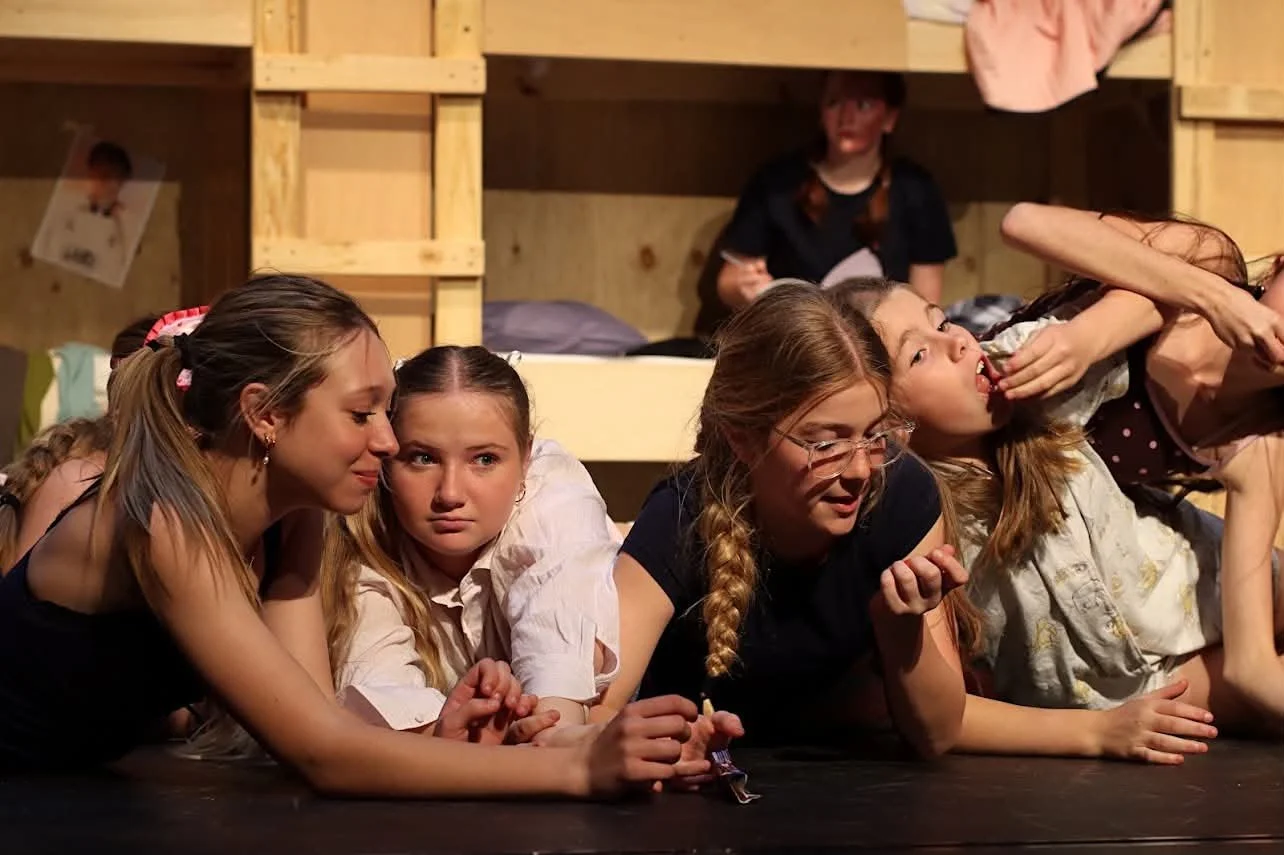
We’re finishing the term on a high as our Broadway Kids class take to the stage in The Jungle Book KIDS. We can’t wait to see all their hard work come to life! Then, over the school holidays, we’ll be heading straight into our production of Charlotte’s Web. There truly is no rest for the wicked, but we wouldn’t have it any other way!
Please note that I will be out of the office from 19 September to 2 October. During this time, any urgent correspondence should be directed to Mandy at [email protected].
Wishing everyone a wonderful final week of term and a safe, happy holiday break!