
NAPA News - Week 5, Term 1, 2026

FROM THE DIRECTOR
We are officially half way through the term! How fast these weeks are flying by. Now students have settled into their classes, please be sure to check over your parent portal to ensure that your child’s classes are correct. If you have any questions around this, please email our office manager, Kimberley - [email protected]
Some important information ahead for our dance classes and also our Broadway Tweens. Please take note of all information and adjust your calendars accordingly.
Wishing all of our families a wonderful week ahead … we can’t wait to see everyone in the studio!
QUICK REMINDERS
Lost property - Please be sure to check this regularly throughout the year.
Jewellery - a quick reminder that excessive jewellery is not to be worn to any NAPA classes and that any earrings worn in dance class should be small studs or sleepers only. No other jewellery should be worn in dance classes, as this creates a safety hazard for dancers and their peers. PLEASE LEAVE AT HOME to avoid losing anything precious.
Footwear - please note that there will be strict guidelines around footwear at NAPA this year. This is for the safety of our young dancers - Jazz, Combo, Technique and Performance Team students must wear jazz shoes - Hip Hop, Tread the Boards and Broadway students must wear sneakers or jazz shoes - Ballet students must wear ballet shoes and Tap students must wear tap shoes. The only class where bare feet will be allowed is lyrical/contemporary, and we recommend students wear black dance or NAPA socks to these classes. Students will not be able to participate in class if they do not have the appropriate footwear.
NEWS HIGHLIGHTS
IMPORTANT CALENDAR CHANGE - DANCE CONCERT AND SPONGEBOB
As you hopefully read in our previous newsletter, we have had to make the move to The Star for this year’s Dance Concert. Unfortunately we could not secure a late November or December date, but we have been lucky enough to confirm Sunday November 8th. This means we will also need to shift our Broadway Tweens dates. I have confirmed with our distributer and we will now perform SpongeBob on November 26, 27, 28 & 29. Miss Laura will be in touch with updates around auditions and new dates soon.
Dance students… some exciting news! We are thrilled to announce that this year’s concert will be MERIDA, inspired by Disney’s Brave!
This year’s production will follow the story of Merida, a courageous young princess determined to choose her own path and discover what it truly means to be brave. Through powerful storytelling, music and dance, MERIDA explores themes of identity, family, courage and the importance of forging your own destiny.
Our concert is always more than a performance, and this year is no exception. As our dancers bring this story to life, they will explore movement that celebrates strength, individuality and joy… reminding us that growth happens when we have the confidence to be ourselves.
We cannot wait to watch our students step into this magical world of legends, adventure and heart as they share their hard work and creativity on stage. Get ready for a concert filled with storytelling, spirit and a little bit of magic!

CASTING ANNOUNCEMENT
We are so excited to announce that the role of Merida will be played by our graduating student, Mardi. Mardi was our 2025 Cherub of the Year and this is her 14th year at the studio! She embodies all the qualities of a leader in our studio… hardworking, kind, respectful and talented. We are so excited to see her in her final NAPA Dance Concert, along with all of our amazing students.
All other roles will be cast in the coming weeks. Casting for our dance concert is based on class work and our lead roles are chosen from our Performance Team classes. Our other dance students will have the opportunity to audition for Narrator roles later in the year, however all dance classes are involved in the concert. If you are new to NAPA, our dance concert follows a story line, told by our narrators and woven together with items from each dance class. It is a highlight of the year and I’m so excited for this year’s production!
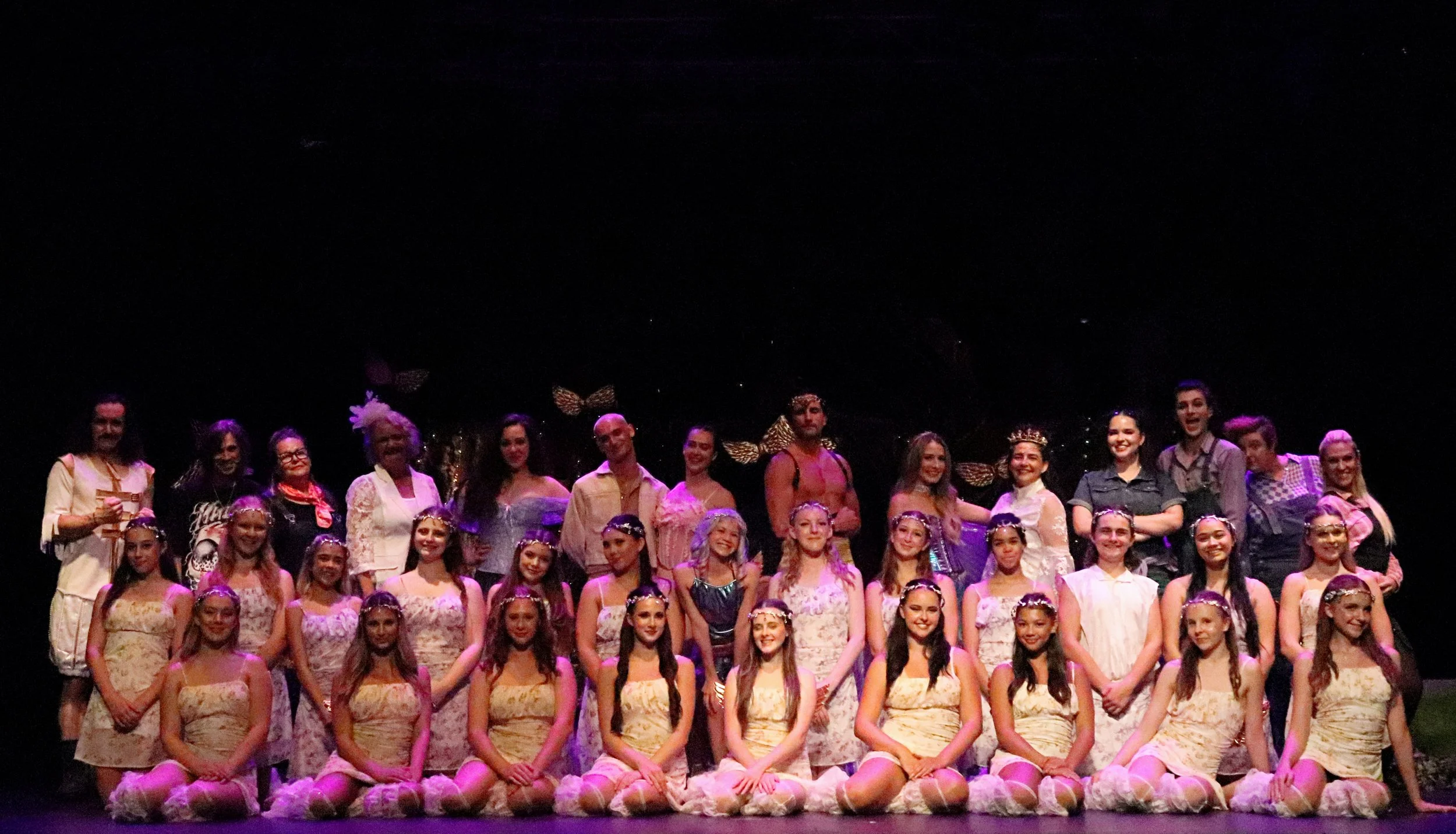
A MIDSUMMER NIGHT’S DREAM
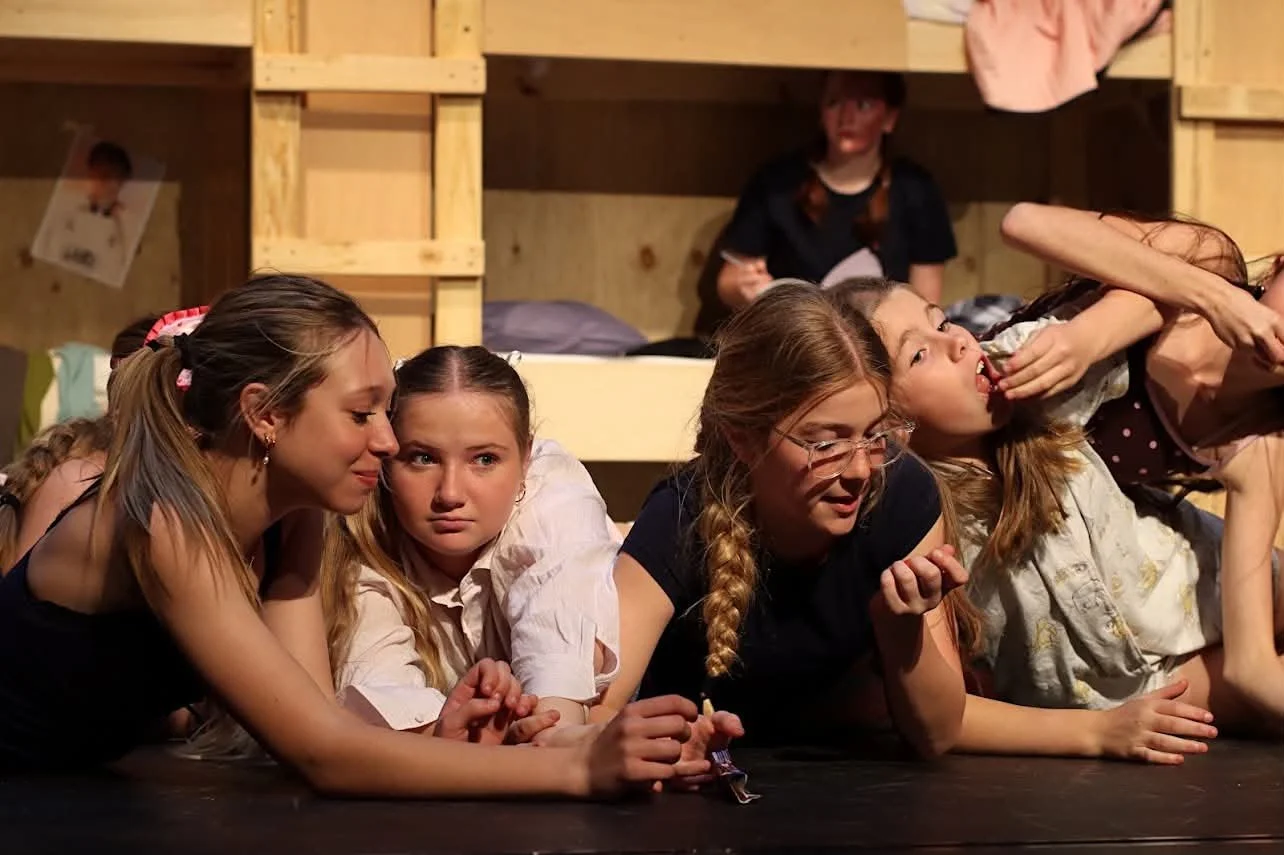
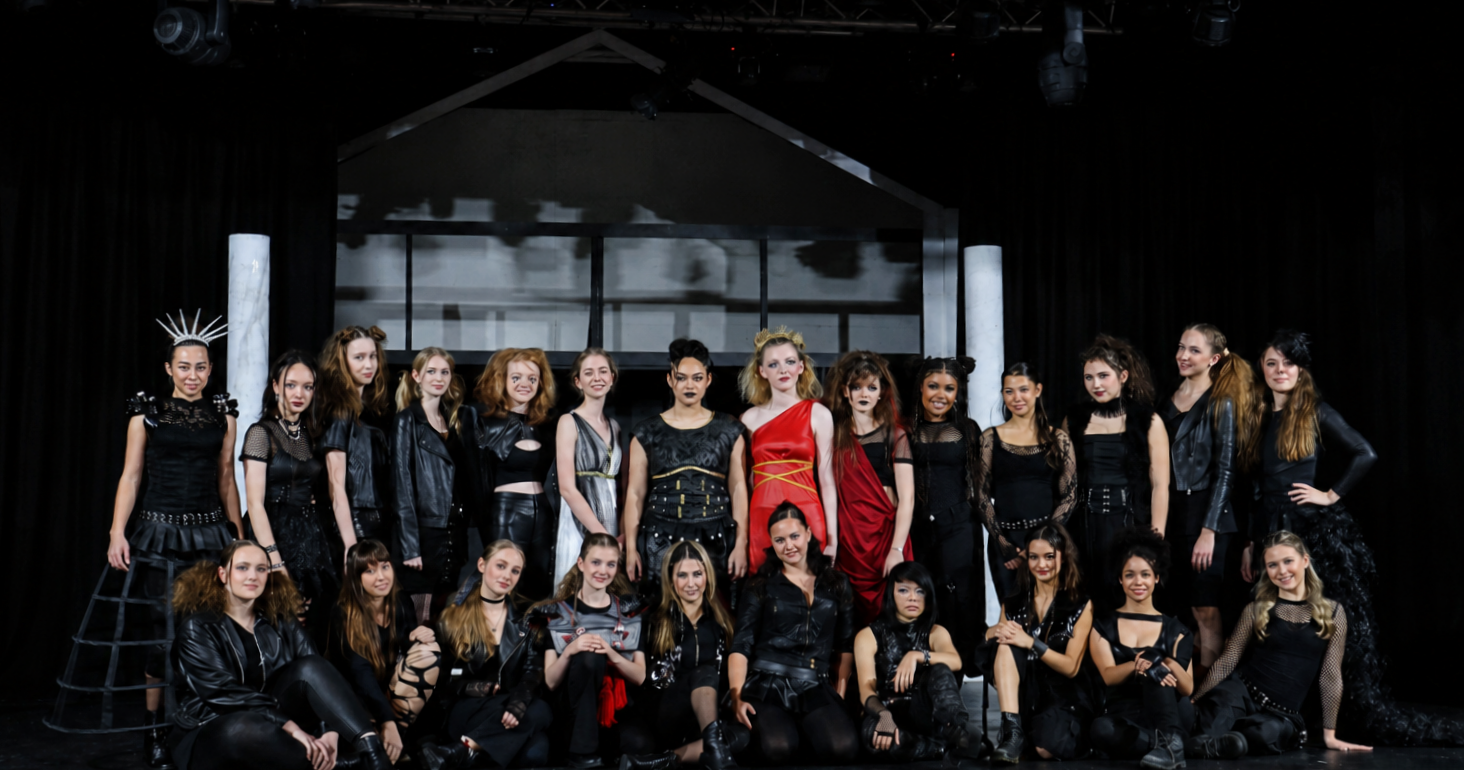
Congratulations to the cast and crew of our NAPA Ensemble production - A Midsummer Night’s Dream. The audience feedback has been so positive and we are so proud of everyone’s hard work getting this challenging show on stage.
If you haven’t seen Shakespeare before and are a little apprehensive, don’t be! One audience member said to me “I love seeing Shakespeare that I can actually understand!” With our live band and musical numbers linking the story, it is a journey unlike any other. Come and join in the magic! Only 3 more performances.
Wellbeing
The Performing Arts Journey: A Marathon, Not a Sprint
Growing strong, sustainable performers
In the performing arts, it can sometimes feel like everything needs to happen quickly … bigger skills, harder tricks, lead roles and constant achievements. But meaningful artistic development doesn’t happen overnight. True training is a journey, not a destination.
At NAPA, we often remind our students and families that performing arts training is much more like a marathon than a sprint. The goal is not to peak early, but to build strong, capable and confident performers who are prepared for long, sustainable careers when they reach adulthood.
Enjoying the Process
Learning dance, singing or acting should first and foremost be a joyful experience. Progress happens best when students feel curious, supported and motivated rather than pressured to achieve constant outcomes.
Every stage of training serves a purpose:
Early years focus on coordination, creativity and confidence
Middle years develop technique, discipline and performance skills
Later training refines artistry, versatility and professional readiness
When students are allowed to enjoy each phase, they develop a genuine love for the craft … and that love becomes the foundation for lifelong growth.
Training at the Right Pace
No two performers develop in exactly the same way. Growth depends on age, physical development, emotional maturity and individual strengths. Moving too fast can sometimes lead to frustration, burnout or injury, while training at the right pace allows skills to settle and strengthen naturally.
Healthy training considers:
Age-appropriate physical demands
Emotional readiness for performance pressure
Individual learning styles
Personal strengths and areas for development
Progress is not a race, and comparison rarely reflects the full picture of a performer’s journey.
Building Foundations, Not Just Results
It can be tempting to focus on early success … winning competitions, achieving advanced skills quickly or standing out at a young age. However, the performers who thrive long term are those who spend their early years building strong foundations.
These building blocks include:
Solid technique and safe movement habits
Musicality and storytelling skills
Resilience and adaptability
Professional etiquette and teamwork
Confidence grounded in effort rather than results
A ten year old does not need to be at the peak of their ability. Instead, they should be developing the tools that will allow them to grow into a well-rounded, employable performer as an adult.
Growth Takes Time
The performing arts industry values versatility, professionalism and longevity. Casting directors and creative teams look for performers who are reliable, collaborative and emotionally mature, qualities that develop gradually through consistent training and life experience.
Allowing young performers time to grow helps protect both their wellbeing and their passion for the arts. When students feel supported rather than rushed, they are more likely to stay engaged, confident and motivated over the long term.
Trusting the Journey
Every class attended, every correction received and every performance experienced contributes to a larger picture. Progress may not always feel immediate, but growth is happening quietly in the background … skill by skill, lesson by lesson.
At NAPA, our focus is not on creating early peaks, but on nurturing artists who are prepared for the future. By valuing patience, balanced training and individual development, we help students build careers and a love for performing that can last a lifetime.🎭✨
CHERUB OF THE WEEK
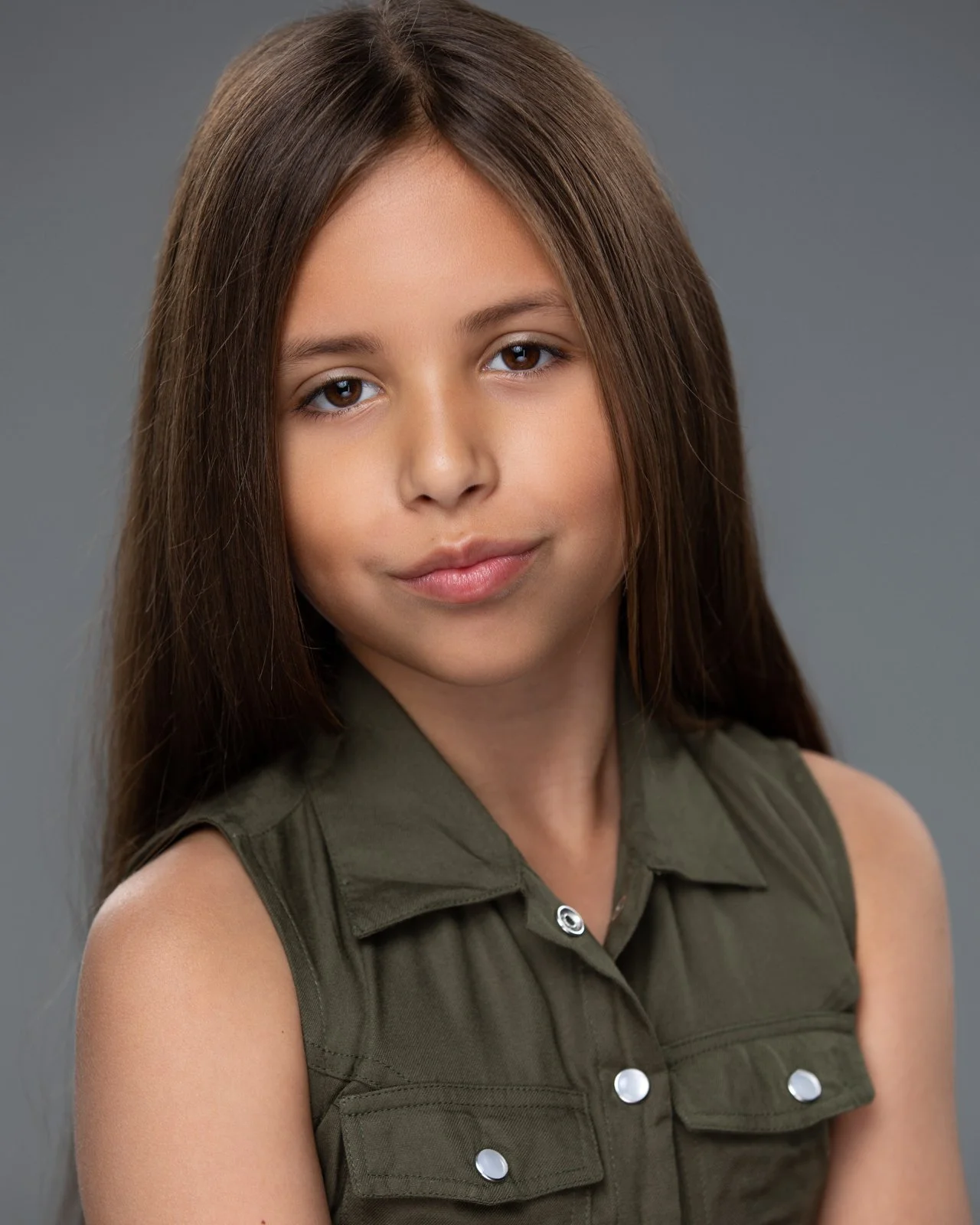
CONGRATULATIONS, KAiYA!
This week we are celebrating Kaiya. This is Kaiya’s 6th year as a NAPA Cherub, and she is an absolute ray of light at the studio. You may have seen her most recently as Violet Beauregard in our Summer School production.
All of Kaiya’s teachers talk of her passion, hard working nature and joyous personality. She is a delight to have in the rehearsal room and a great friend to her peers. I often notice Kaiya offering to help others practice, assisting our little ones in classes, and she is the first one to put her hand up to help her teachers.
Thank you for being a positive light at the studio, cherub! We are proud to be a part of your Performing Arts journey.
Congratulations, kaiya … we’re so proud of you! ✨

PERFORMANCE TIPS
Managing Conflict in a Performing Arts Space
Respect, communication and knowing when to ask for help
Performing arts spaces are exciting, creative and collaborative environments. Whether in dance class, rehearsal, backstage or working on a performance outside the studio, students spend a lot of time working closely with others. With teamwork comes different personalities, ideas and emotions … and sometimes, conflict.
Learning how to manage disagreements respectfully is an important life skill and part of becoming a professional performer.
Conflict Is Normal … Disrespect Is Not
Disagreements can happen anywhere people work together. Someone may have a different creative idea, misunderstand instructions or feel frustrated during rehearsals. These situations are normal and can often be solved through calm communication and kindness.
However, it is important to understand the difference between conflict and crossing a boundary.
Conflict might look like:
Disagreeing about choreography or staging
Feeling frustrated during group work
Miscommunication between classmates
A boundary being crossed might look like:
Unkind or repeated negative comments
Exclusion or bullying behaviour
Pressure to do something that makes you uncomfortable
Physical or emotional behaviour that feels unsafe
If something makes you feel unsafe, pressured or uncomfortable, it is always important to speak up.
Tips for Managing Everyday Conflict
When small disagreements arise, students can try:
1. Pause before reacting
Take a moment to breathe and avoid responding in anger or frustration.
2. Speak respectfully
Use calm language such as:
“I feel confused about what we’re doing.”
“Can we try it this way together?”
3. Listen to understand
Good performers are good collaborators. Listening is just as important as speaking.
4. Focus on the work, not the person
Keep conversations centred on the task or performance rather than personal criticism.
Many conflicts resolve quickly when everyone approaches the situation with respect and maturity.
When to Seek Help from an Adult
There are times when students should not try to handle a situation alone.
You should always speak to a trusted adult if:
A boundary has been crossed
Someone’s behaviour makes you feel unsafe or uncomfortable
A problem continues after you’ve tried to resolve it respectfully
You feel pressured, intimidated or excluded
Something doesn’t feel right, even if you can’t fully explain why
This applies not only inside the studio, but also when working outside NAPA at rehearsals, performances, competitions or creative projects.
Seeking help is not “getting someone in trouble.” It is a way to keep yourself and others safe.
Who Can You Talk To?
Students are encouraged to reach out to:
A NAPA teacher or staff member
Studio leadership - our College Seniors are a great support to our younger students
A trusted adult helper
If something happens outside the studio, you can still come to NAPA staff for guidance and support. You are never expected to manage difficult situations alone.
Building a Safe and Supportive Community
Professional performers are not only talented … they are respectful, collaborative and aware of boundaries. Creating a positive performing arts environment means looking after ourselves and each other.
At NAPA, we want every student to feel safe, heard and supported while they learn and grow. Kindness, communication and asking for help when needed are all part of becoming not just strong performers, but strong people.
Because a great performer doesn’t just shine on stage, they help create a space where everyone can shine. 🌟
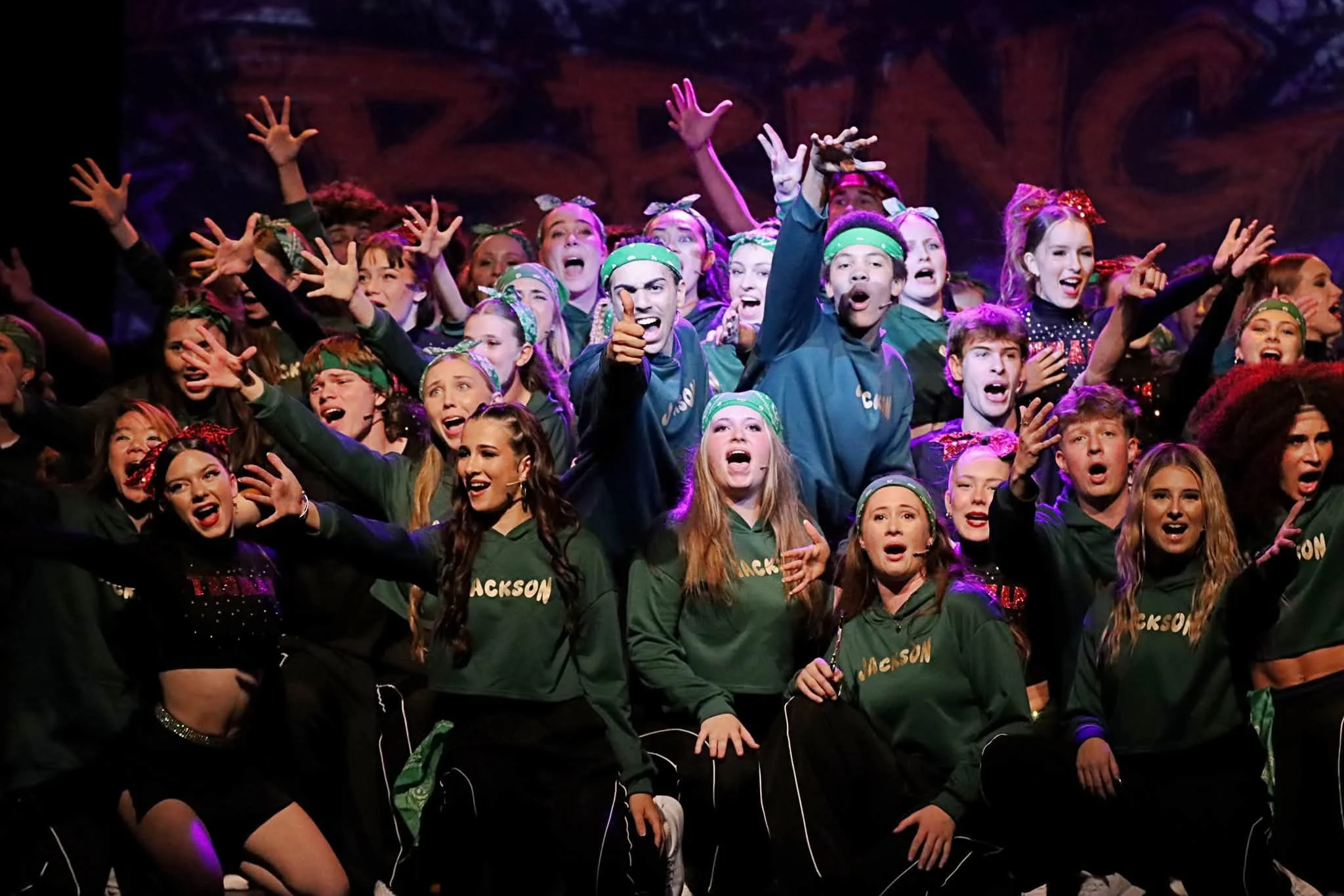
Welcome to Week 10…and the final week of Term 3!
We’re finishing the term on a high as our Broadway Kids class take to the stage in The Jungle Book KIDS. We can’t wait to see all their hard work come to life! Then, over the school holidays, we’ll be heading straight into our production of Charlotte’s Web. There truly is no rest for the wicked, but we wouldn’t have it any other way!
Please note that I will be out of the office from 19 September to 2 October. During this time, any urgent correspondence should be directed to Mandy at [email protected].
Wishing everyone a wonderful final week of term and a safe, happy holiday break!